Dot-Painted Sand Velvet
Decorative Finishes













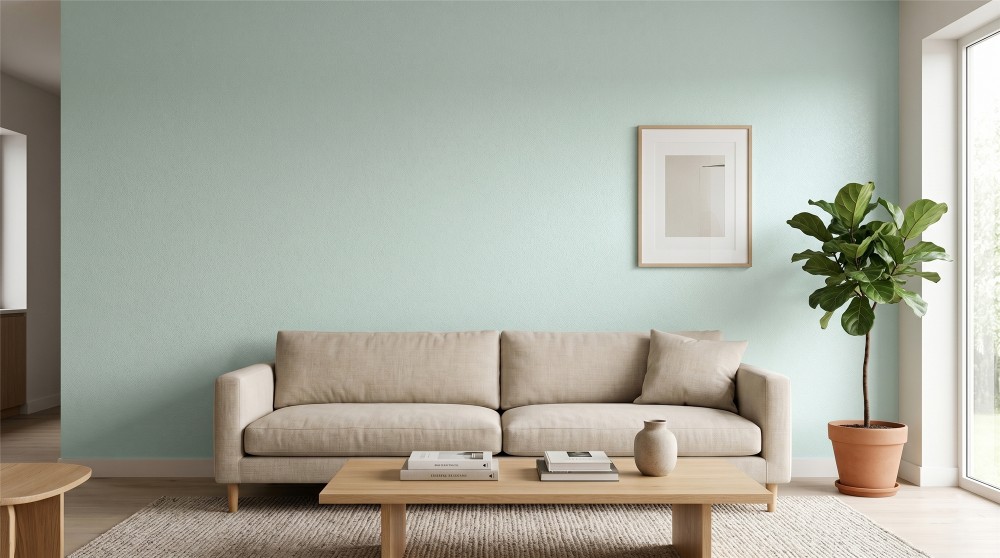
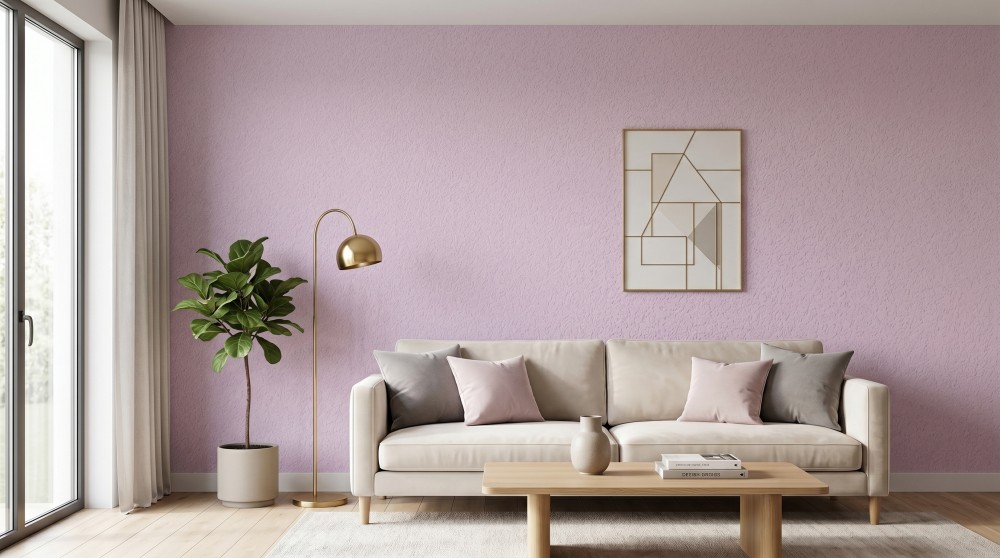
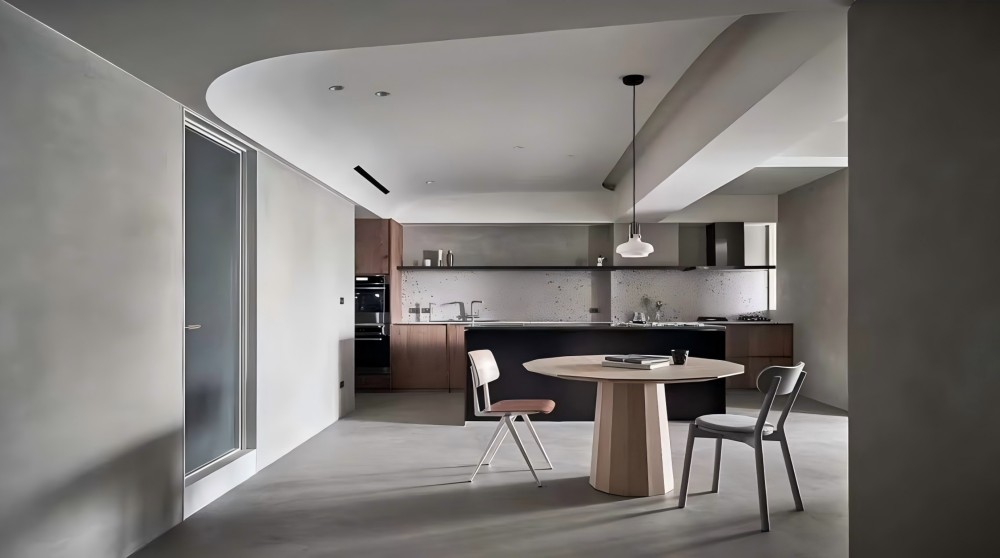
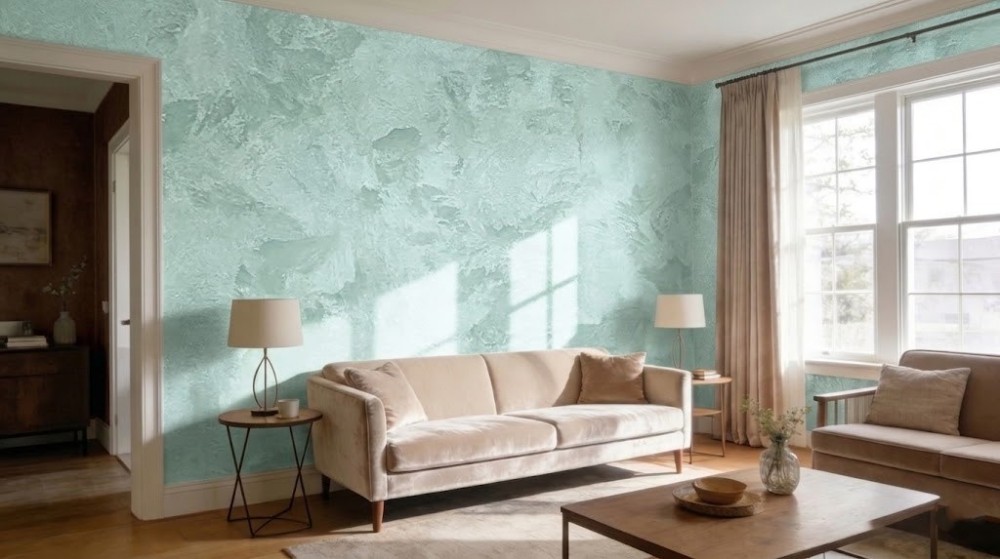
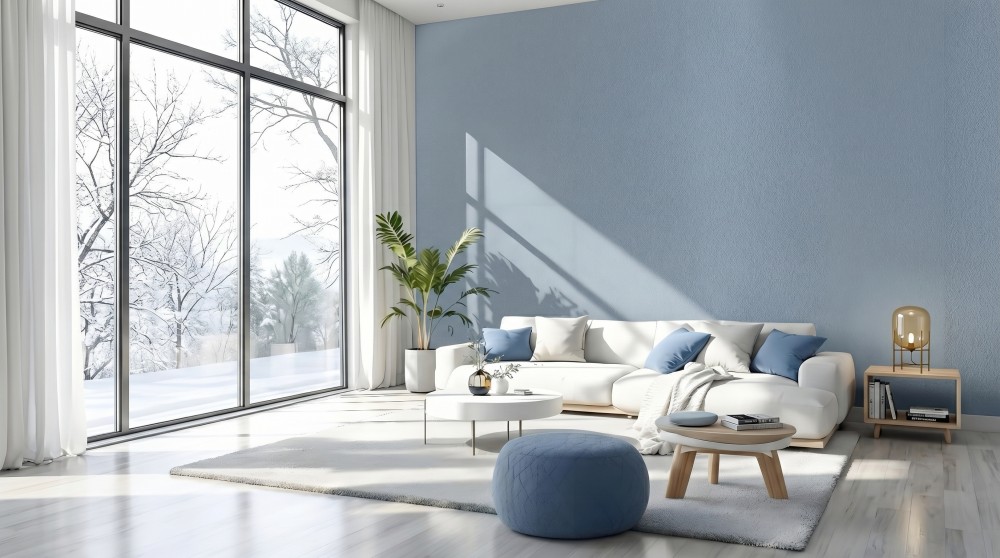
Dot-painted sand velvet is a high-performance decorative art coating inspired by the texture of natural sand and the soft feel of a velvet surface. Through a special spot-applied application process, it creates a unique sandblasted texture on walls, producing a natural, rustic, and layered visual effect, while also possessing excellent physical properties and decorative expressiveness.
Dot-Painted Sand Velvet Parameter

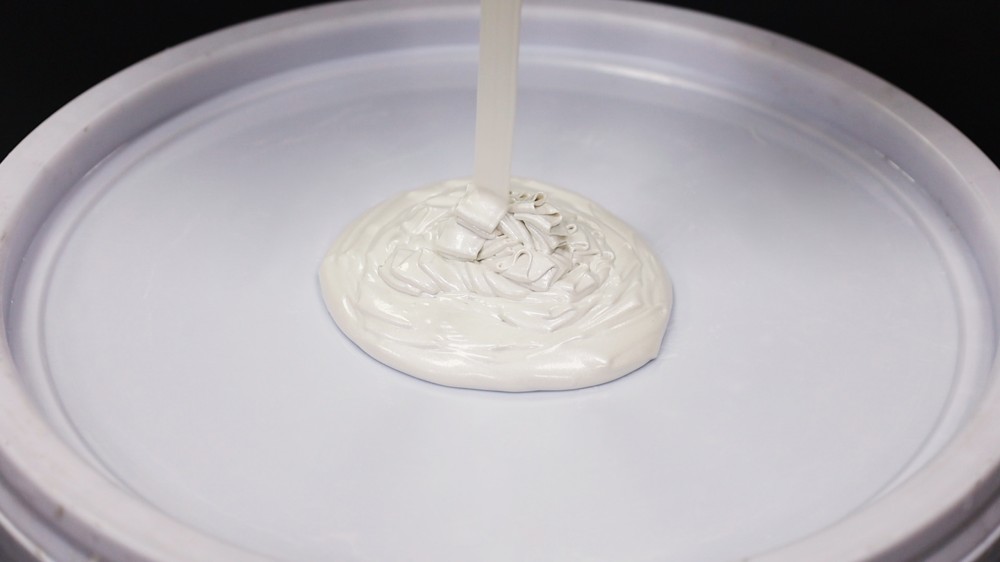
| Appearance | Homogeneous Viscous Liquid |
| Solid Content | 55-60% |
| Viscosity (mpa.s, 7#10R, 25℃) | 50000-60000KU |
| PH | 8.5-9.5 |
| Alkali Resistance | No Bubbling, No Peeling |
| Water Resistance | No Bubbling, No Peeling |
| Low Temperature Stability | Undeteriorated |
| Coating Temperature Resistance | No Abnormalities Were Found In The Three Cycles |
| Paint Film Drying (surface Drying) | ≤4H |
| Recoat Time/coating Layer | ≥24H |
| Drying Time (hardening) | ≥72H |
Dot-Painted Sand Velvet Features
1. Unique texture: It blends the rugged texture of sand grains with the soft touch of velvet, creating rich visual layers through a dotting technique, resulting in a natural and sophisticated decorative effect.
2. Environmentally friendly and healthy: The formula uses environmentally friendly raw materials, is low in VOCs, and has no irritating odor, providing a safer and healthier option for indoor
environments.
3. Easy to apply: Utilizing a dot-coating process, it is flexible, easy to learn, and can be combined with different tools to create personalized textures with strong expressive power.
4. Excellent performance: The paint film has strong adhesion, good alkali and water resistance, stable physical properties, and can effectively protect the substrate.
5. Highly adaptable: Suitable for various flat and solid indoor substrates, such as putty, gypsum board, cement mortar, etc., with good compatibility.

This product is suitable for flat and solid walls in dry indoor areas, such as living rooms, bedrooms, and feature walls. The substrate includes pre-treated cement mortar plastering surfaces, gypsum boards, and water-resistant putty layers. It is not suitable for areas that are in long-term contact with water or damp areas.
Dot-Painted Sand Velvet Construction Guidelines
1. First, apply a coat of special alkali-resistant sealing primer evenly to the prepared and dried substrate surface to enhance interlayer adhesion and durability.
2. After the primer is completely dry, apply two coats of intermediate coating material continuously by roller to ensure that the coating is uniform and without any omissions, so as to provide a solid base for the topcoat.
3. After the intermediate coat is completely dry, use a special roller to apply the first coat of main paint, evenly covering the entire finish to ensure that the color and texture are initially presented.
4. While the main paint is not completely dry, use a special wool brush to apply the first coat of paint to the surface using a dotting, pressing, and lifting motion to create a preliminary three-dimensional sandy texture.
5. After the first coat of main paint is applied by dotting, once the coating is surface dry, the second coat of main paint can be applied by roller to deepen the color saturation and increase the coating thickness.
6. Similarly, before the second coat of paint is completely dry, use a wool pat to apply a second coat of paint in dots to refine the texture, ultimately creating a rich and soft sandy texture effect.