Microcement
Decorative Finishes










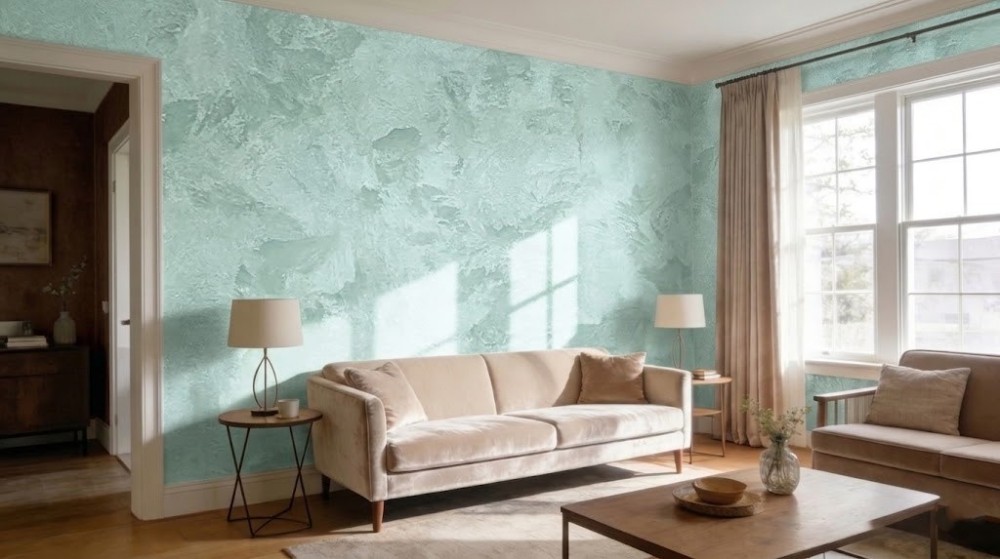
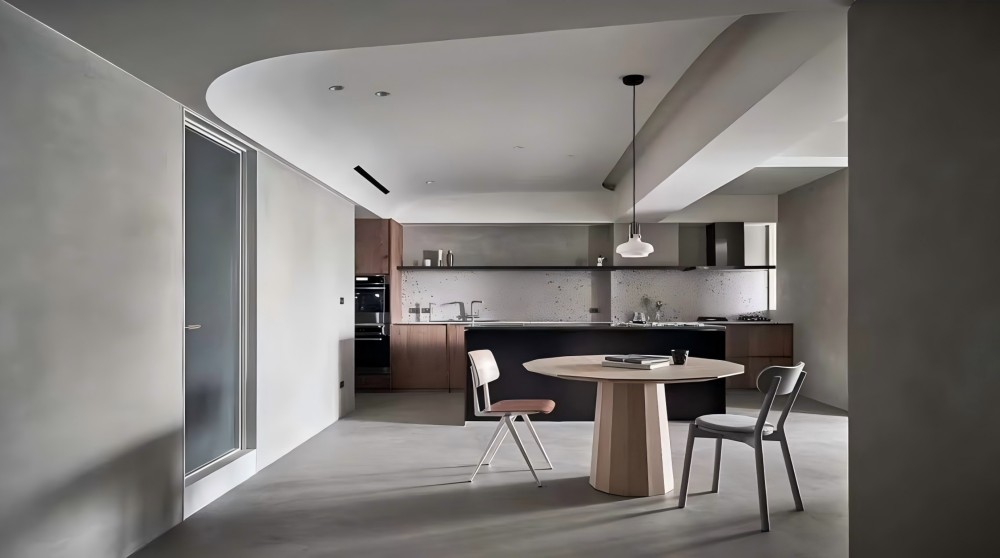
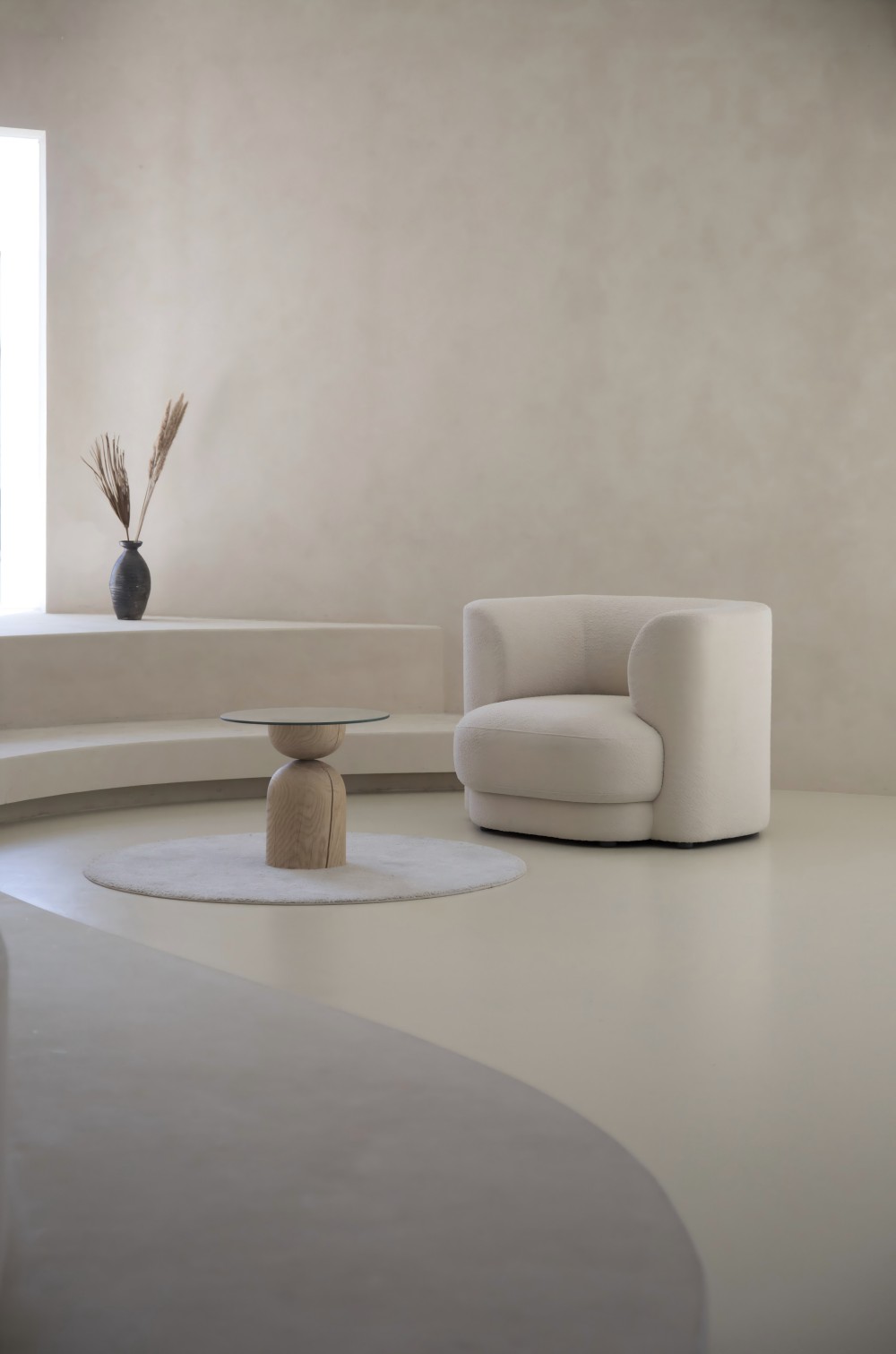
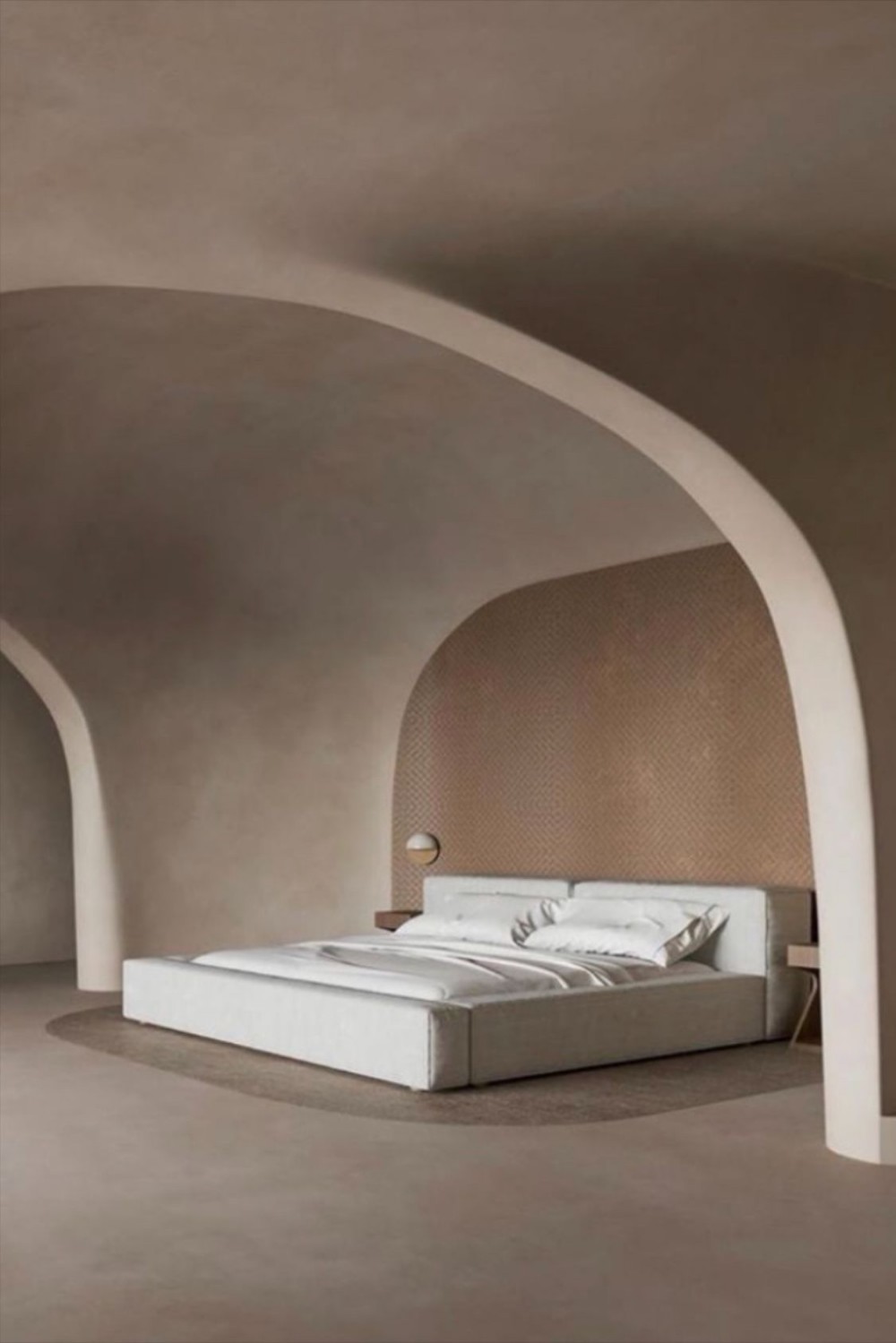
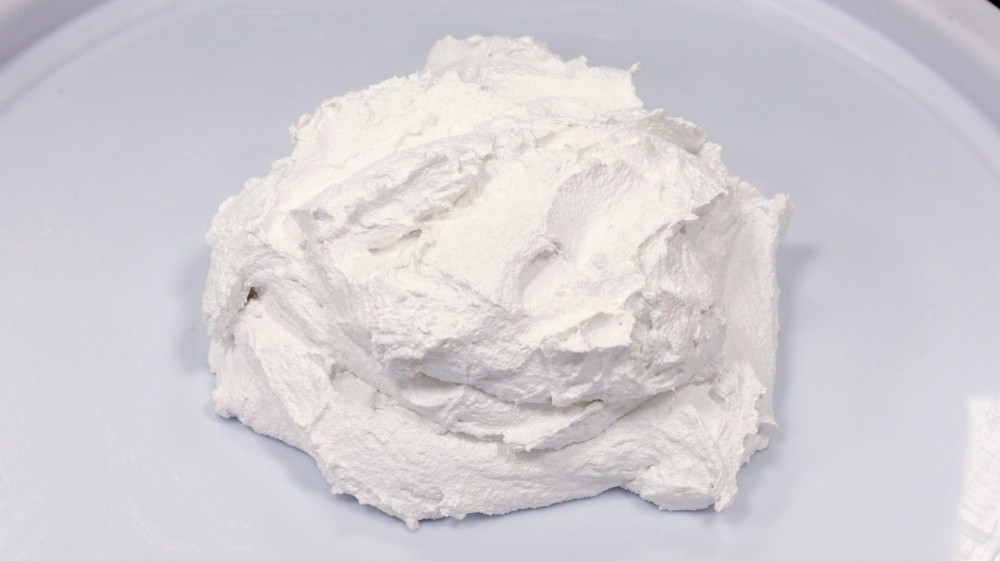
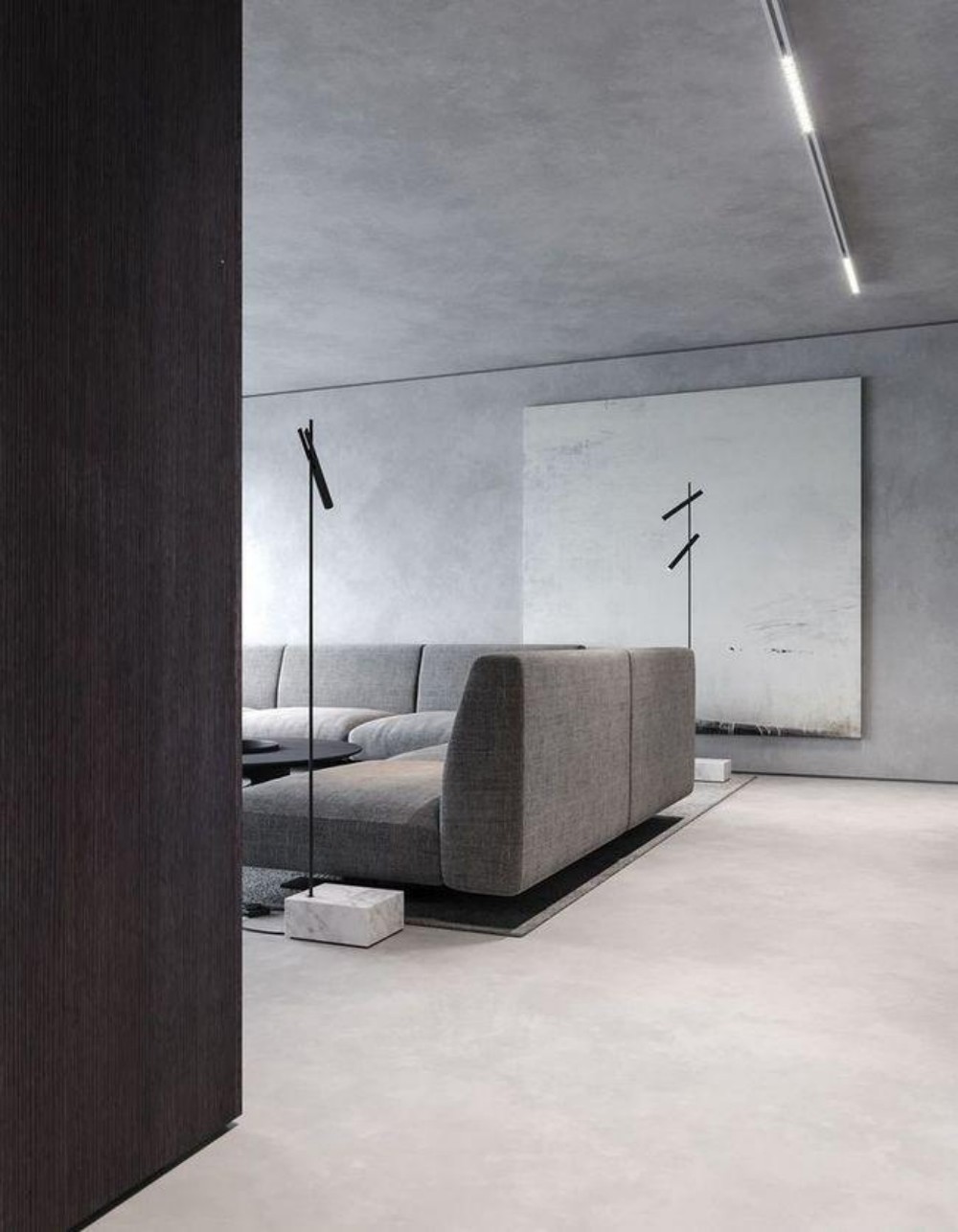
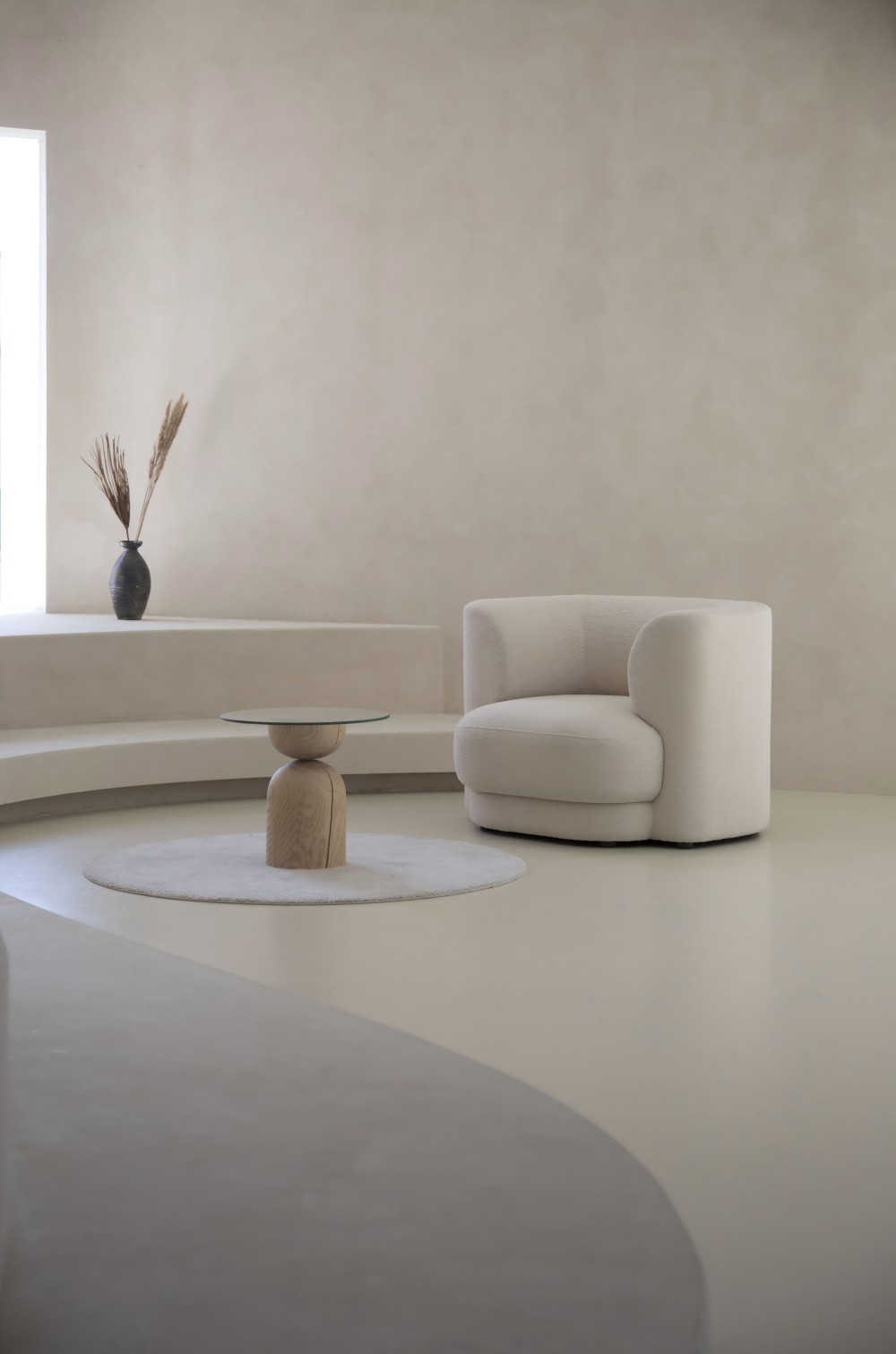
Microcement is a surface decorative material that can achieve a surface integration effect. Its main components are cement, water-based resin, modified polymer, quartz, etc. It can be used on any flat surface such as walls, floors, ceilings, and cabinets to create a seamless and integrated effect.
Microcement Parameter
| Appearance | Smooth And Delicate |
| Solid Content | 100% |
| Alkali Resistance | 24 Hours Without Blistering Or Shedding |
| Water Resistance | 48 Hours Without Blistering Or Shedding |
| Low Temperature Stability | No Deterioration |
| Coating Temperature Resistance | No Abnormality After 3 Cycles |
| Paint Film Drying (surface Drying) | ≤4H |
| Recoat Time/coating Layer | ≥24H |
| Drying Time (hardening) | ≥72H |
Microcement Features
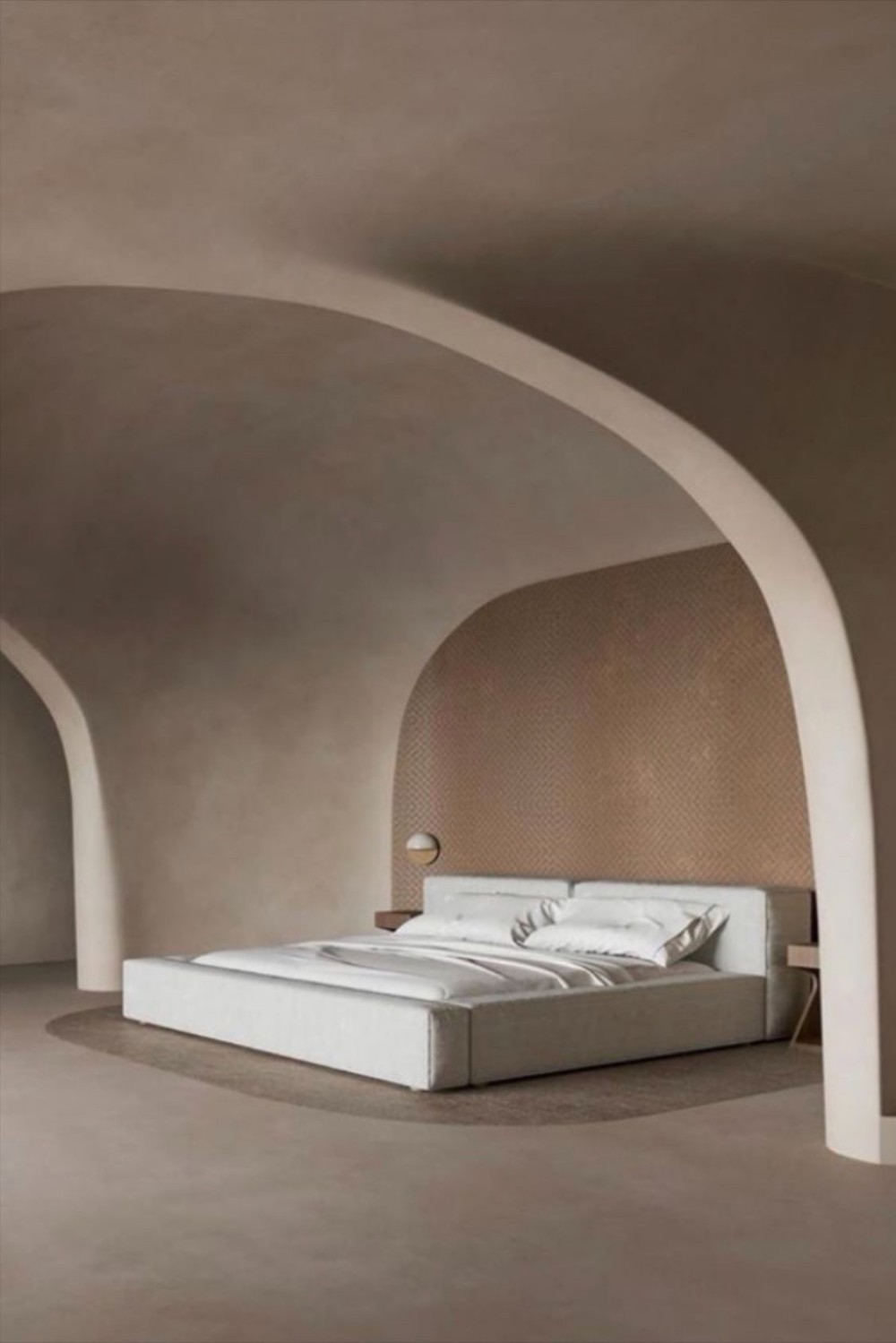
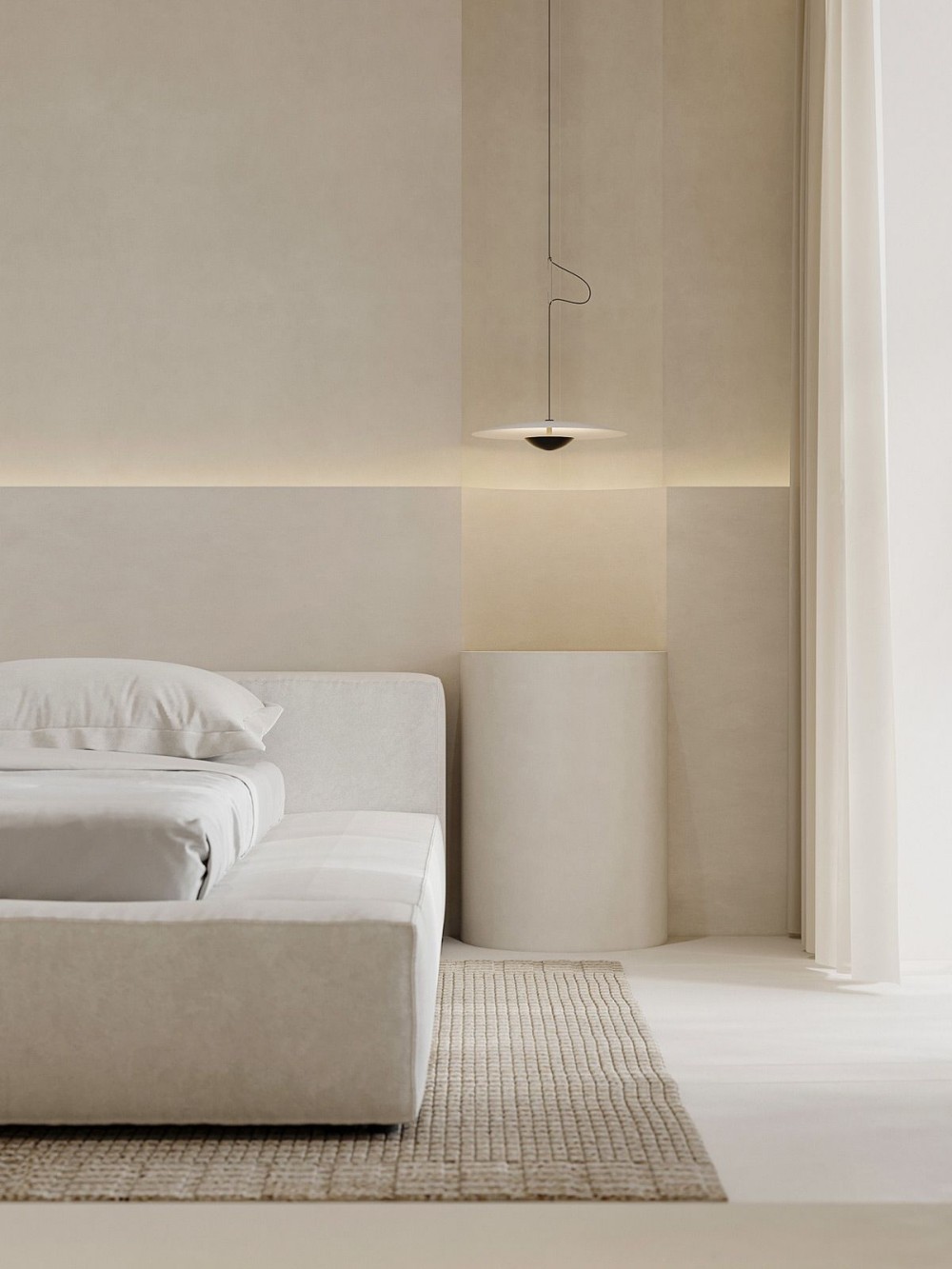
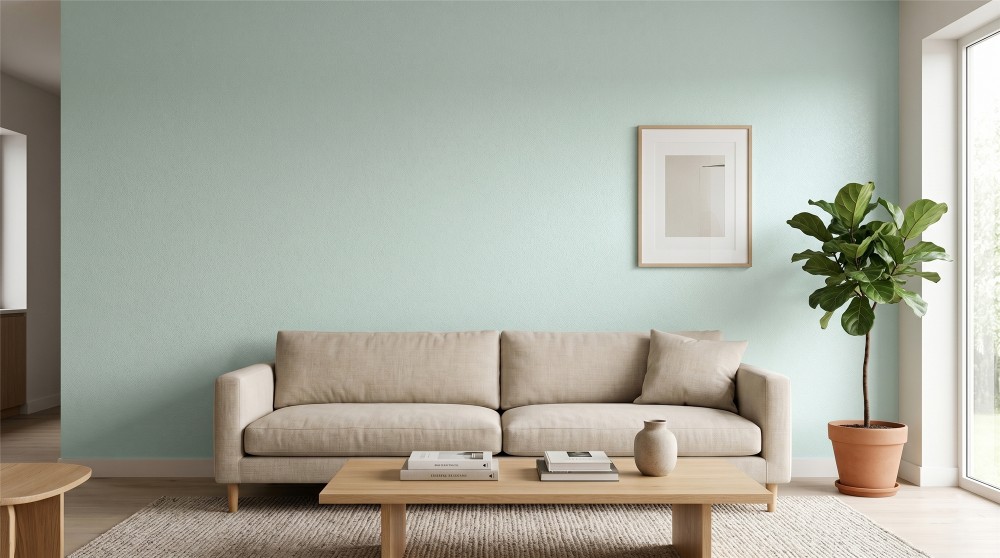
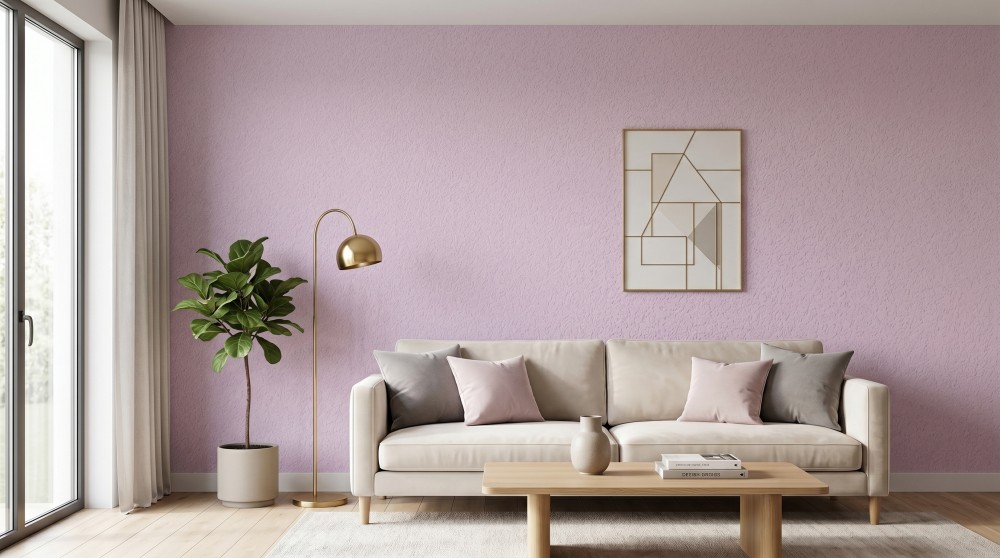
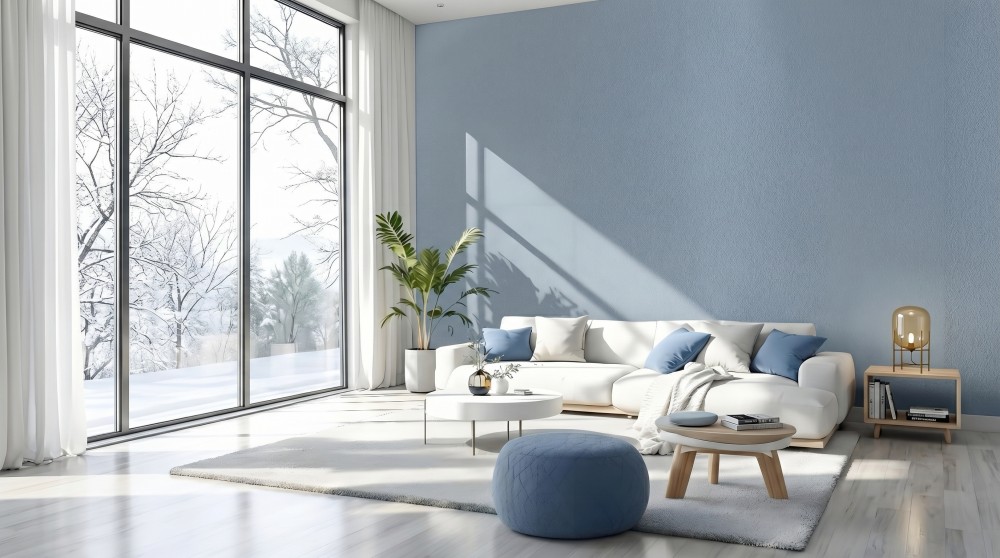
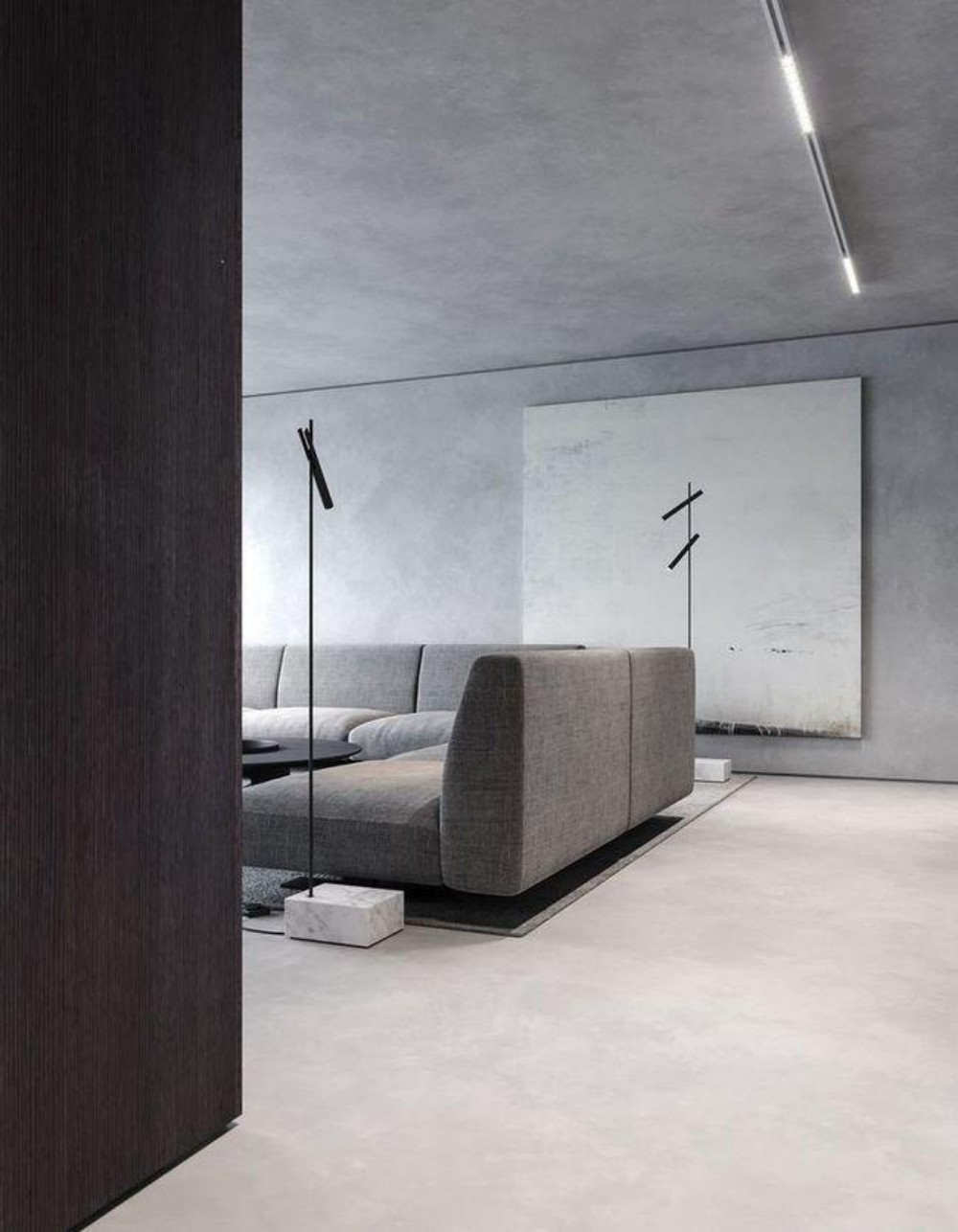
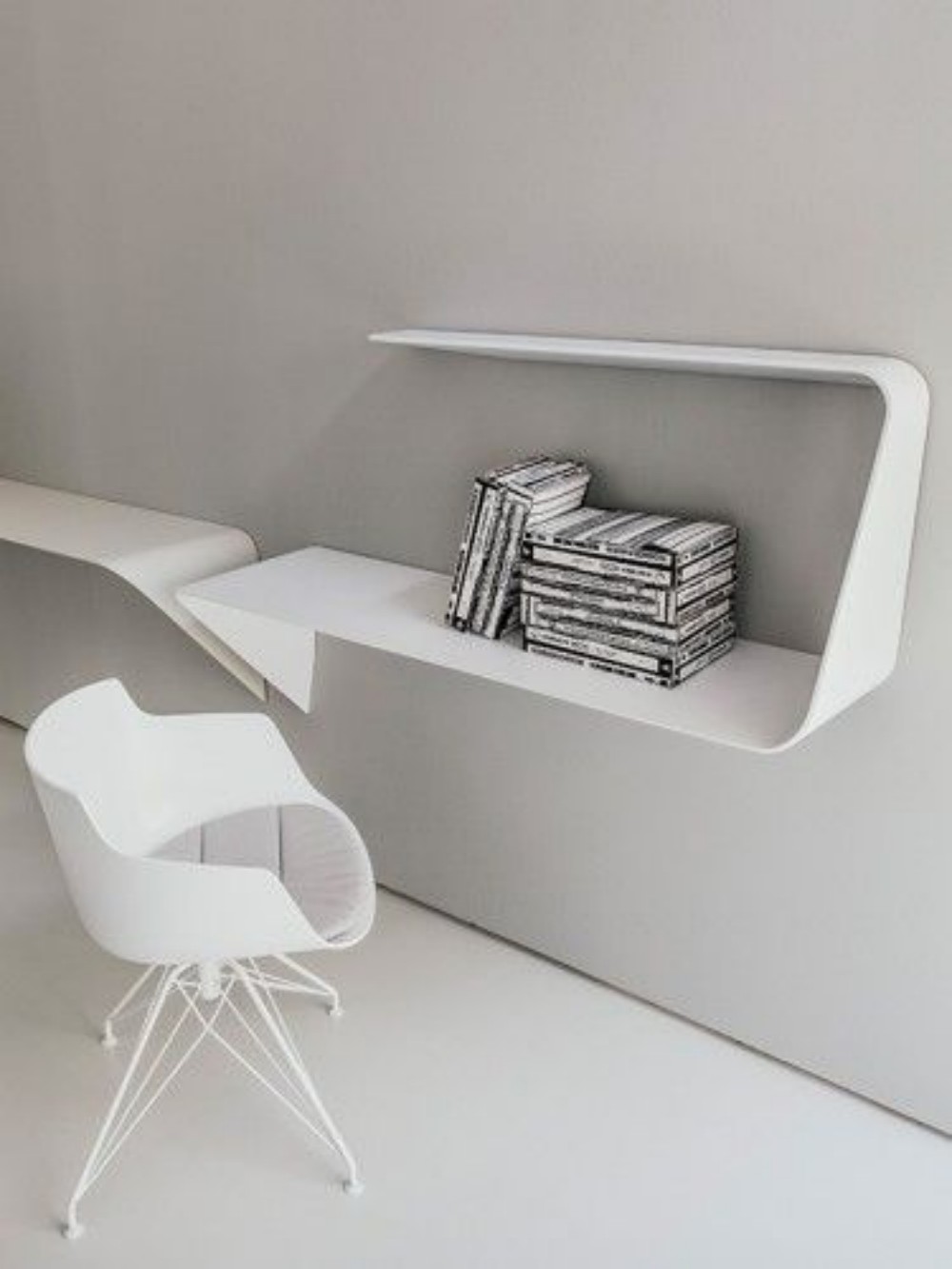
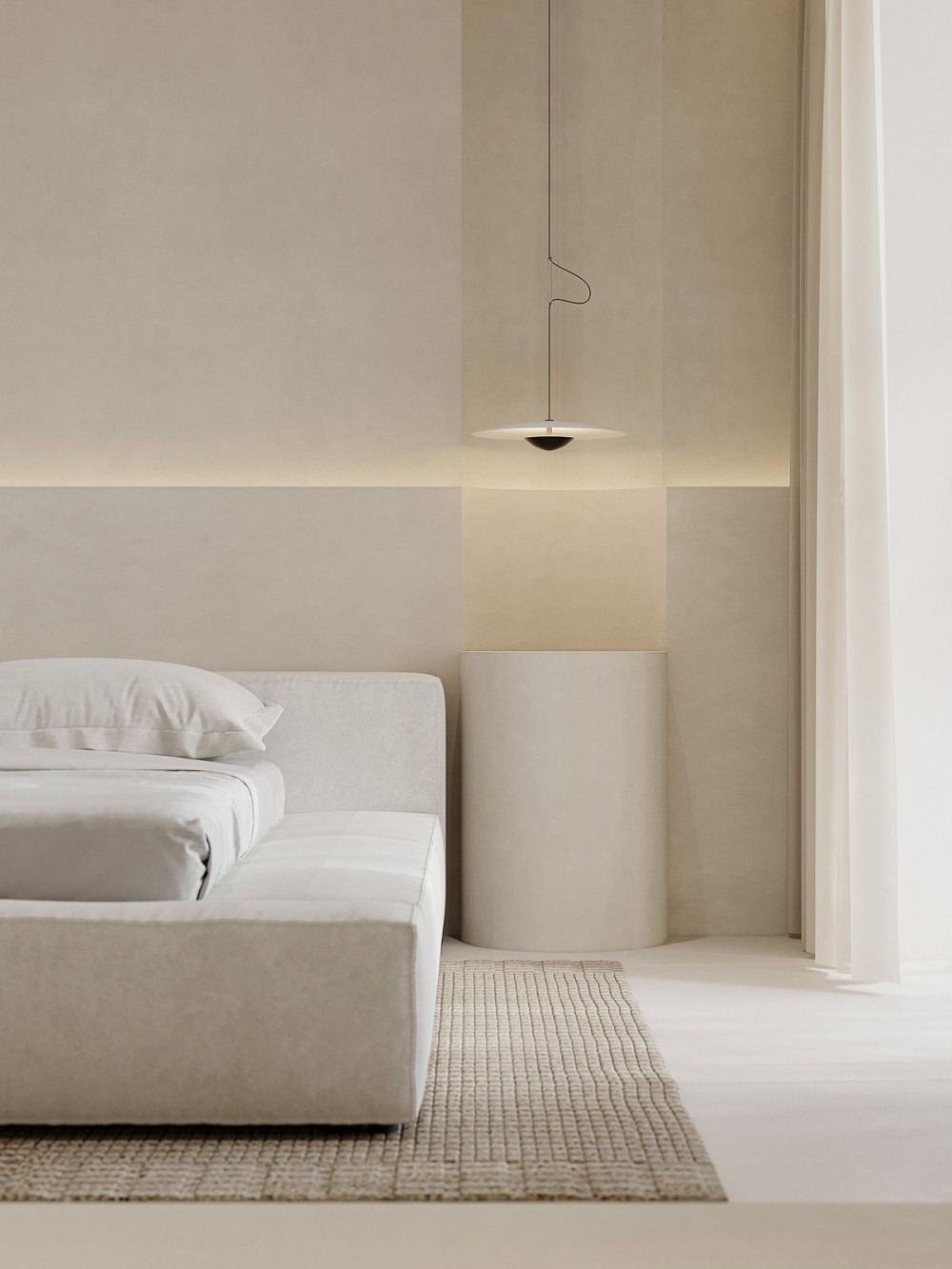
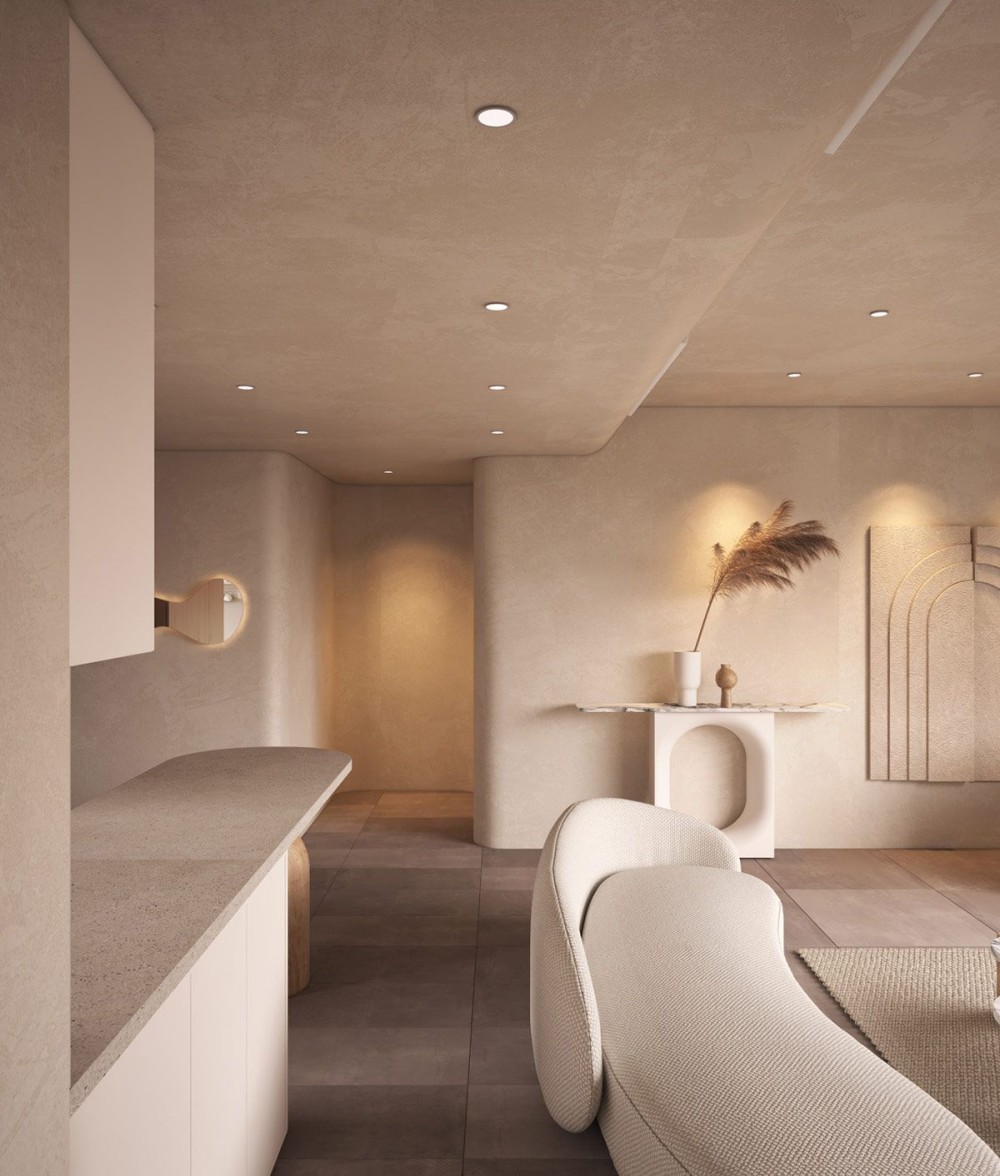
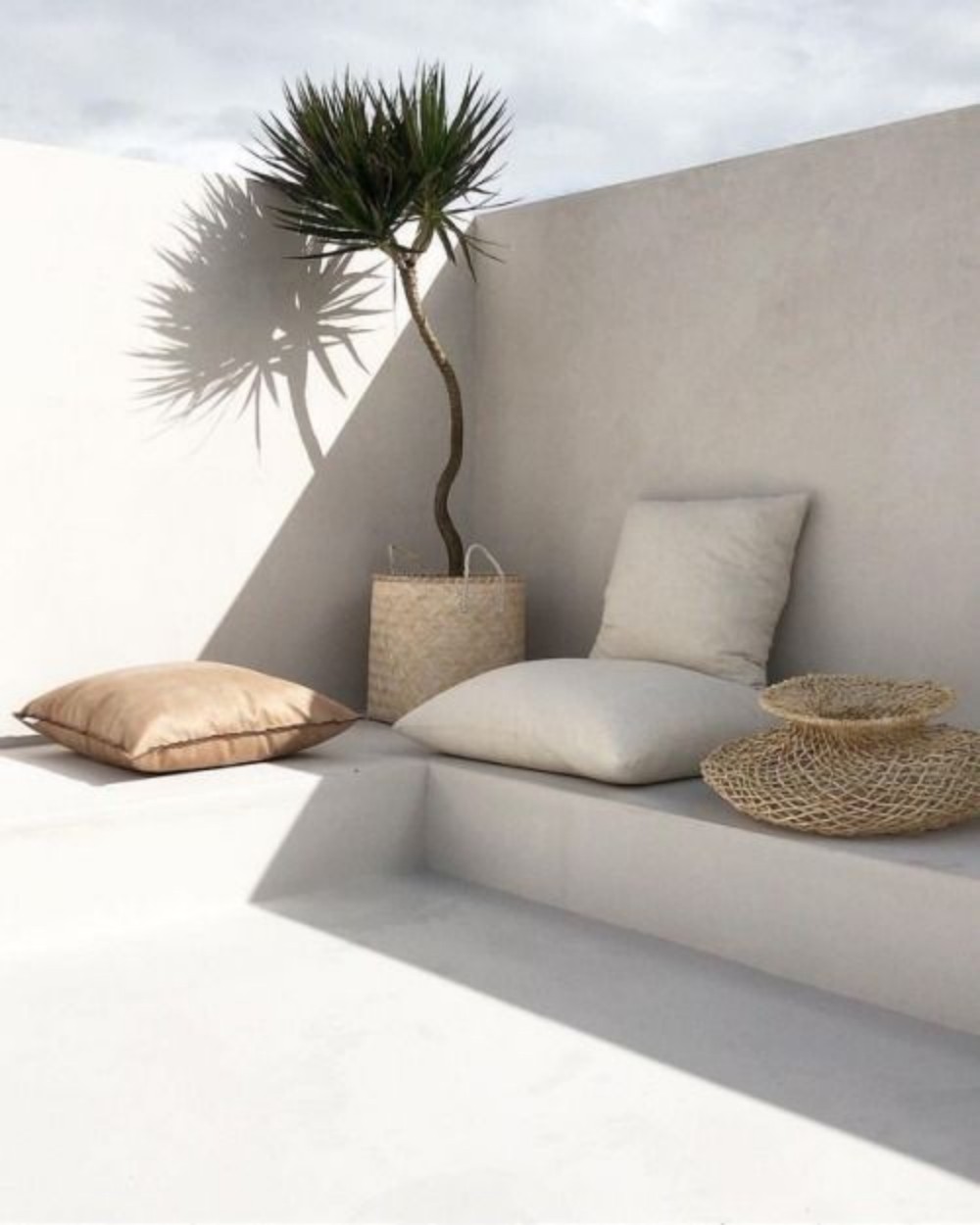
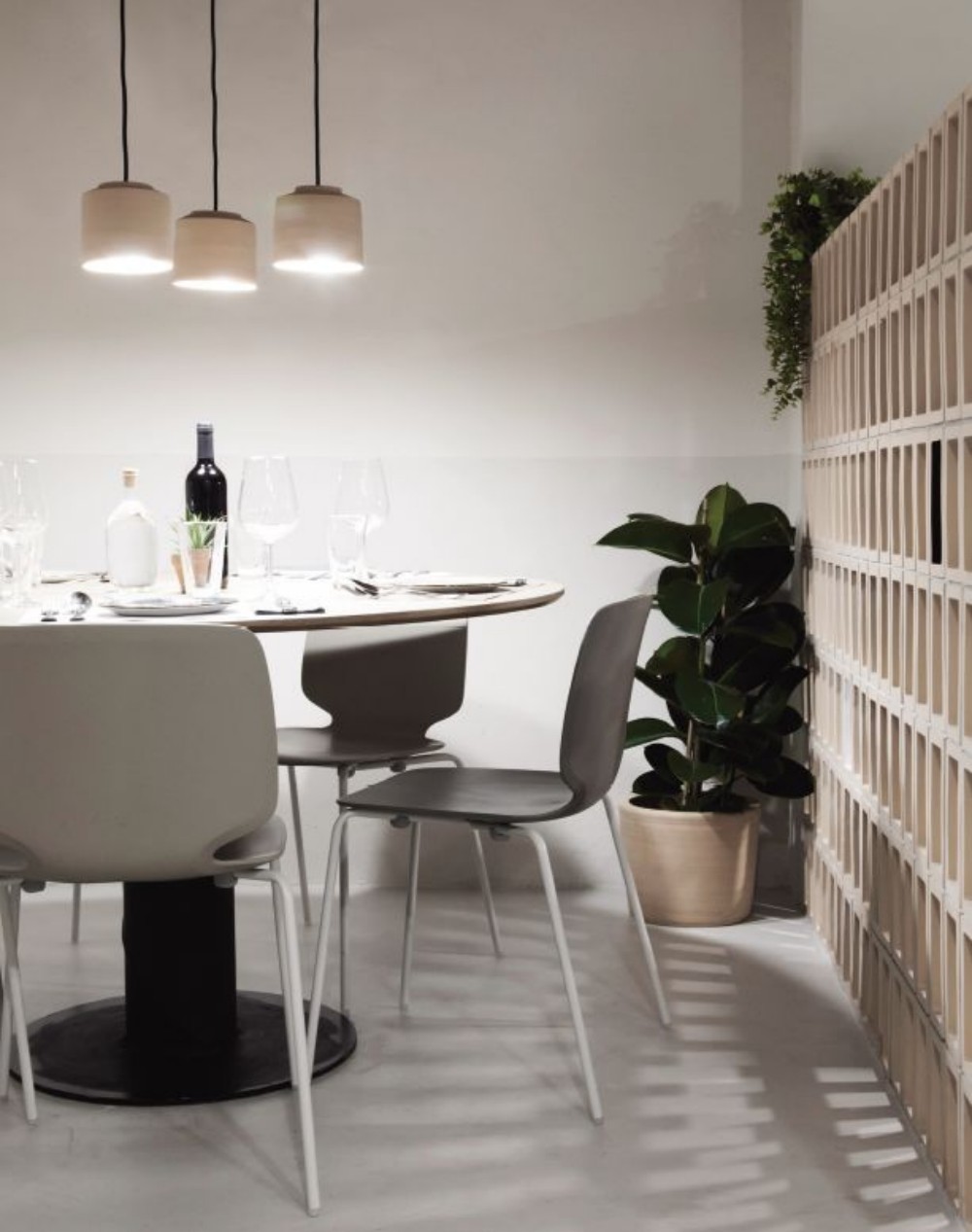
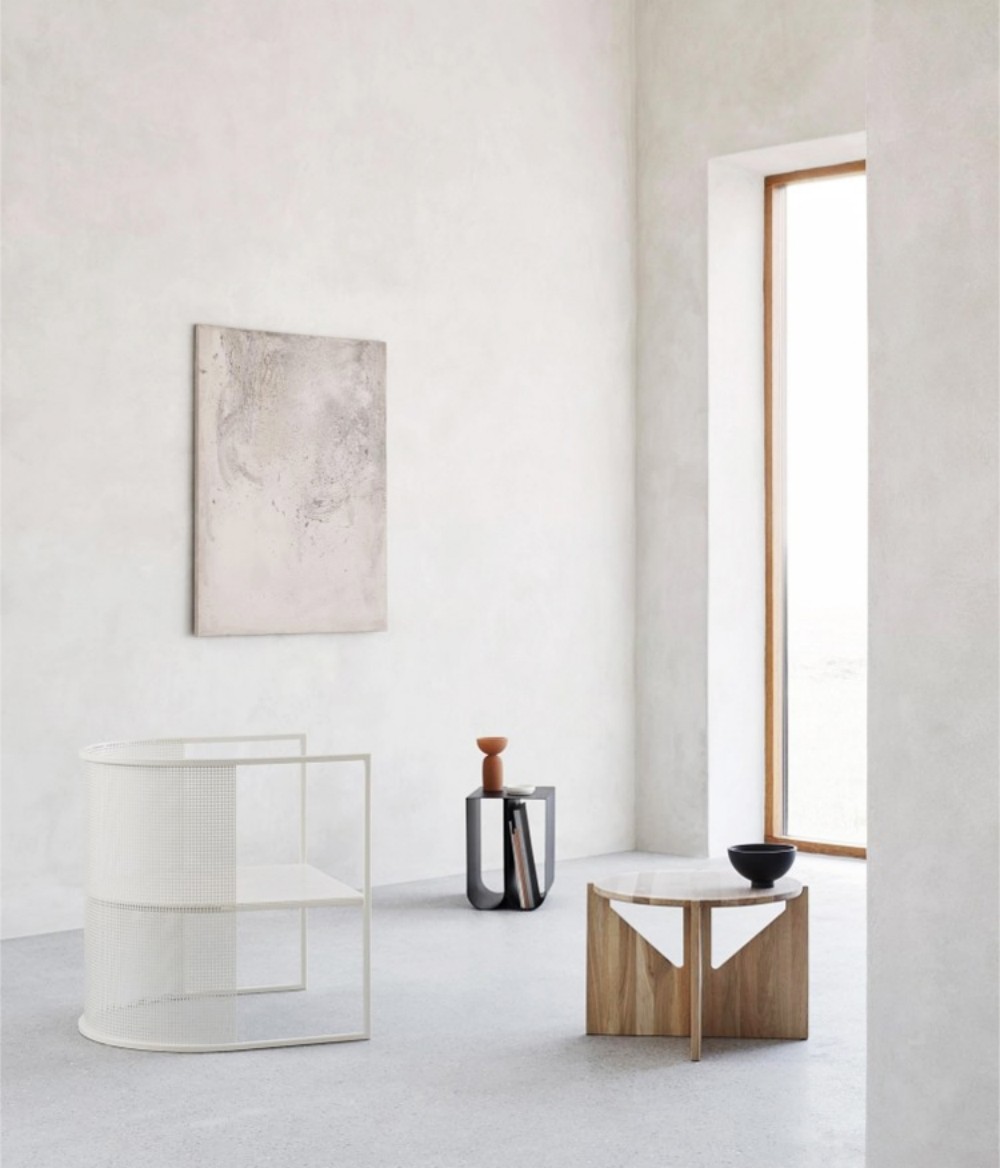
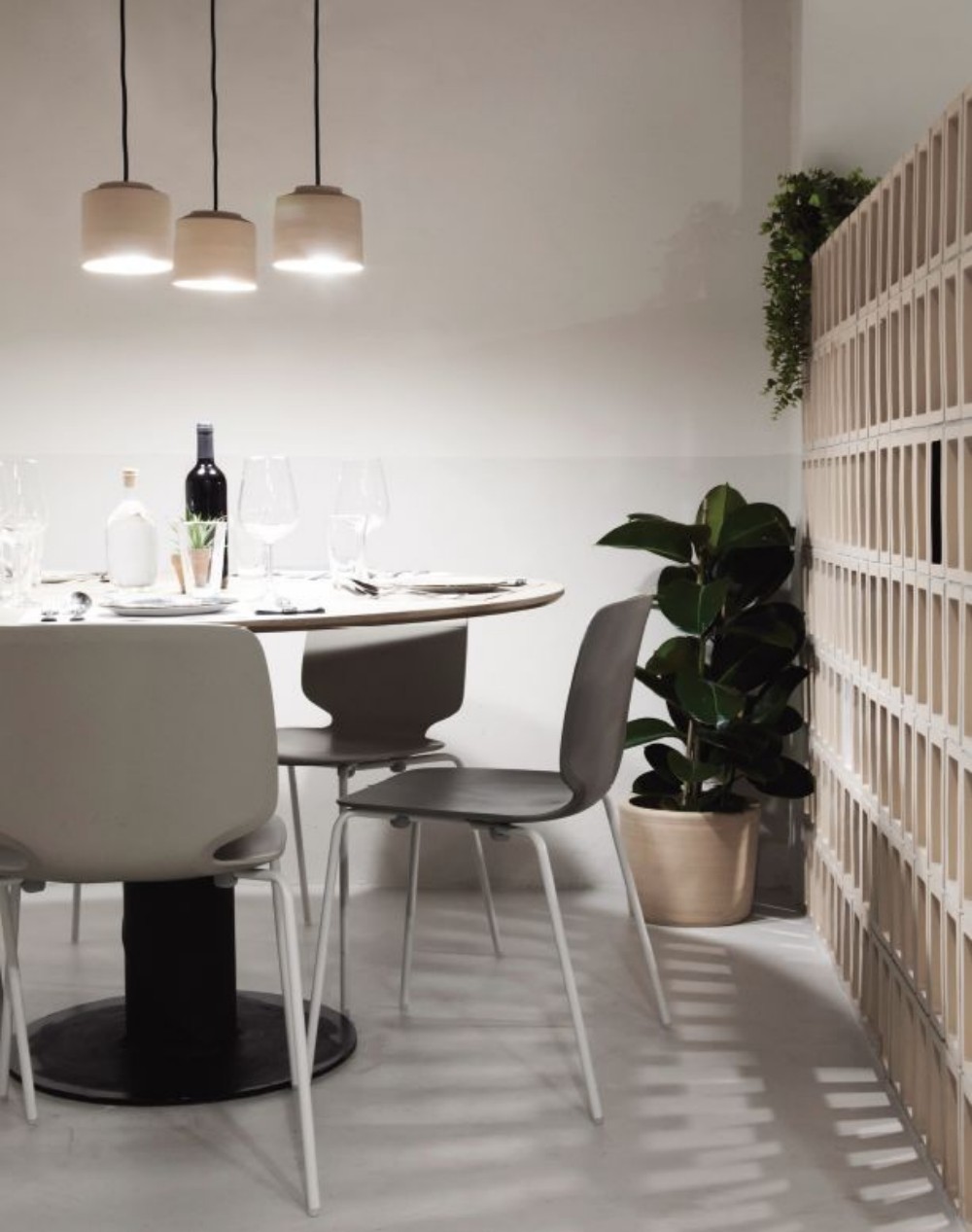
1. Highly aesthetically pleasing. Microcement comes in a variety of colors, creating distinct light and shadow effects. Its seamless design enhances the overall integrity of a space. Without gaps where dust can accumulate, it's easier to clean and maintain. It's well-suited to modern styles like wabi-sabi, roughcast, industrial, minimalist, new Chinese, and Nordic.
2. Wide range of applications. It is highly maneuverable and generally has no strict requirements,
most applications are acceptable. It can be applied to almost any surface, including cement mortar, terrazzo, marble, tile, drywall, or plaster. It can also be applied indoors or outdoors on vertical or horizontal surfaces.
3. The material is safe. Microcement is safe, highly flame retardant, and purely inorganic. It is safe and reliable to use, and there is no need to worry about the harm to your family's health.
4. Textured and elegant. The decorative effect of microcement is a single, smooth surface that blends seamlessly into the interior space. Both the decorative performance and the finished product are excellent, and microcement offers enhanced waterproofing and moisture-proofing.
5. The material is healthy and environmentally friendly. The inorganic raw materials do not contain harmful volatile substances, have low VOCs and no pungent odor, and have passed multiple environmental protection tests, making them safe for use in living spaces for the elderly and children.
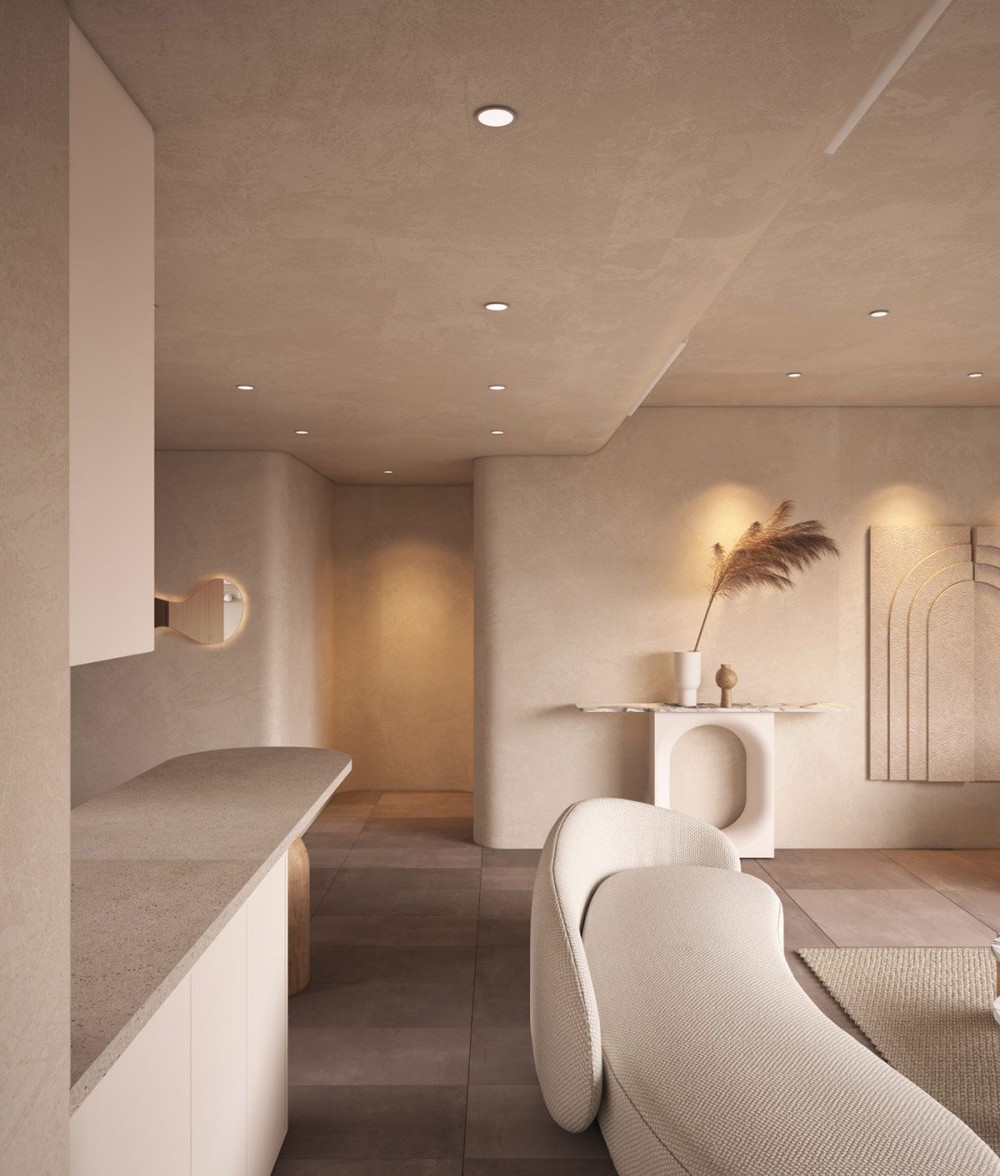
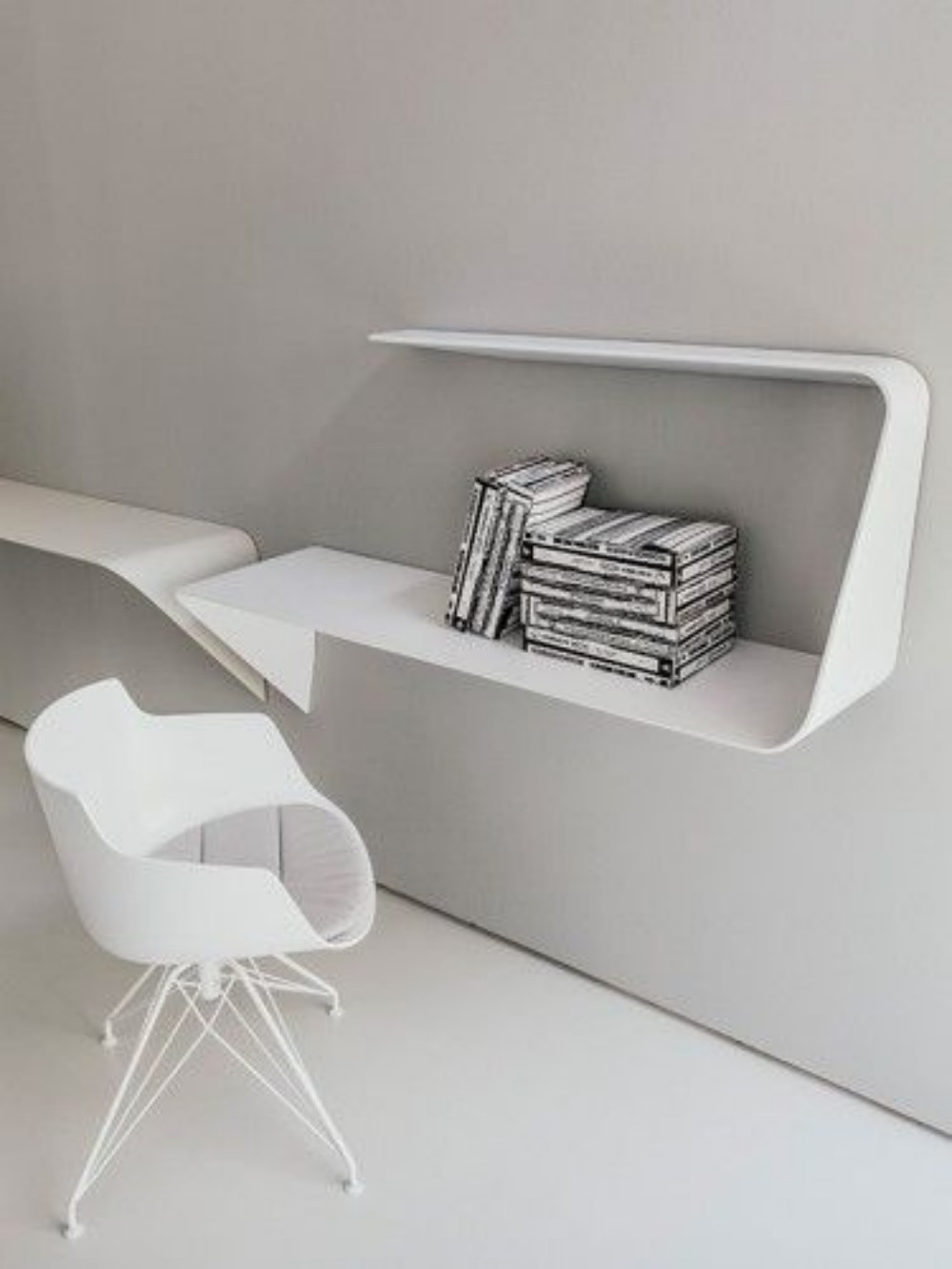
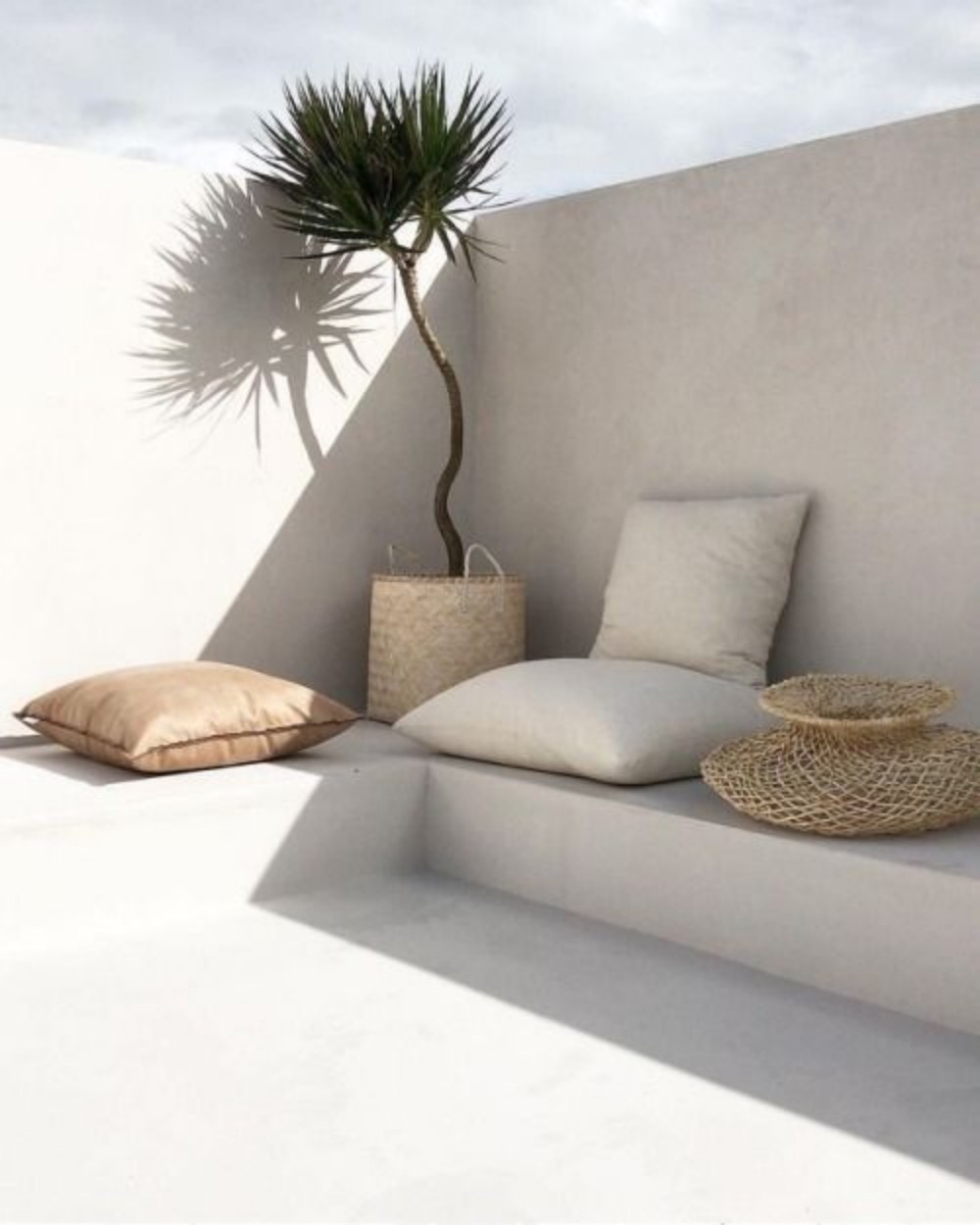
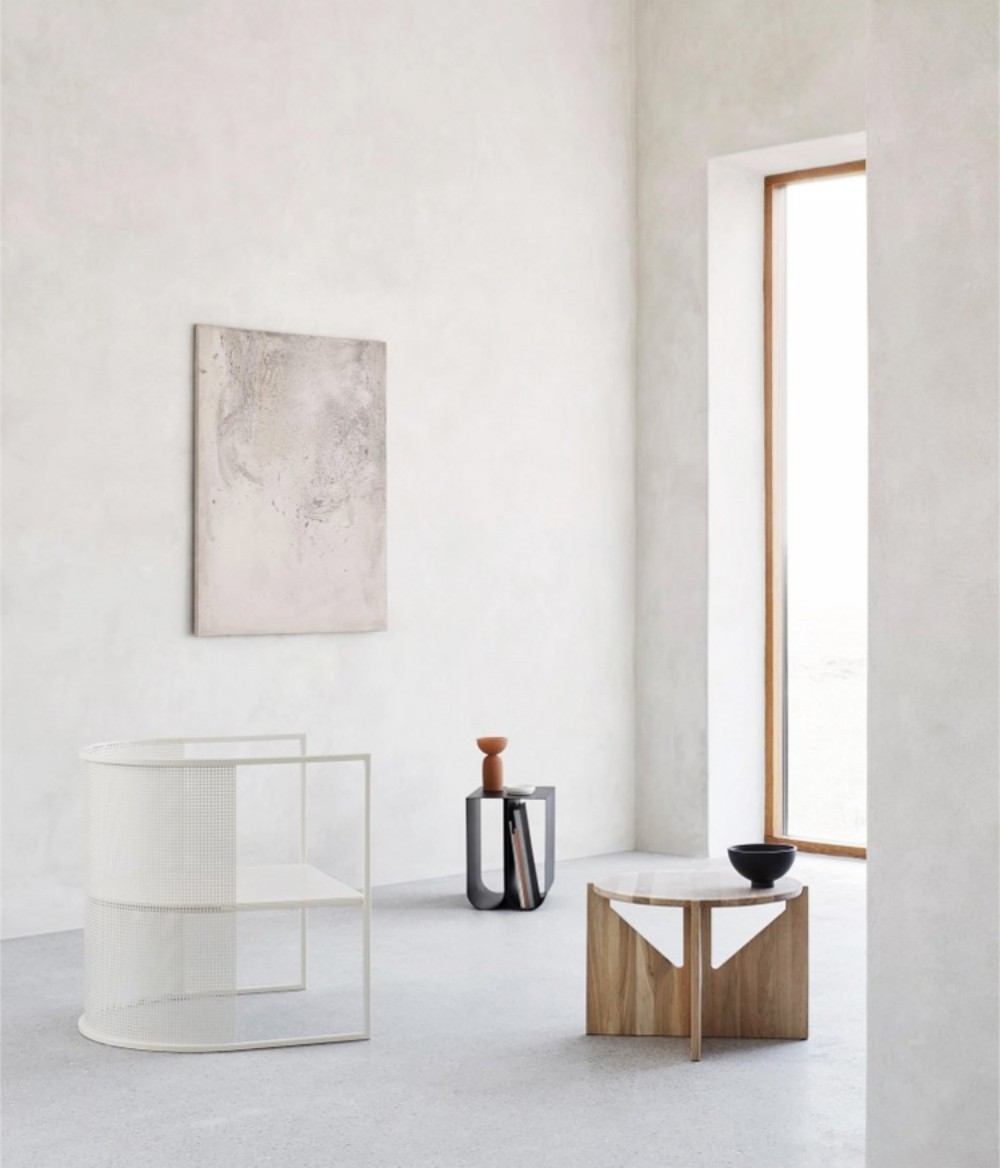
Microcement can be widely used in a variety of indoor and outdoor places, including residences (floors, walls, ceilings), commercial spaces (shops, exhibition halls, cafes), public areas (corridors, bathrooms) and special scenes (kitchens, balconies, swimming pools).
Microcement Construction Guidelines
1. Base treatment: Clean and smooth the old wall, thoroughly remove dust and oil stains, and repair cracks, or apply putty to the wall.
2. Roll and apply one coat of primer. Apply one coat of special alkali-resistant primer to enhance adhesion and prevent moisture.
3. Prepare the microcement and apply two coats. First, add the powder, then 5-10% water. Mix thoroughly and apply the first coat. Once dry, apply the second coat. Smooth the surface until it is 50-70% dry.
4. Sanding: After it is completely dry, use 480-600 grit sandpaper to finely sand and remove dust.
5. Surface protection: Roll on the surface 1-2 times to improve waterproof and wear resistance. You can choose matte or glossy effect.