Acrylic Heat-Reflective Waterproof Coating
Waterproofing Systems












D804 acrylic heat-reflective waterproof coating is a three-functional coating made with high-grade acrylic resin as the film-forming material, and incorporating special waterproof pigments, high- performance heat-insulating fillers, and functional reflective pigments. It combines the weather resistance of acrylic coatings, the waterproofness of waterproof coatings, and the energy-saving properties of heat-insulating coatings.
Acrylic Heat-Reflective Waterproof Coating Parameter
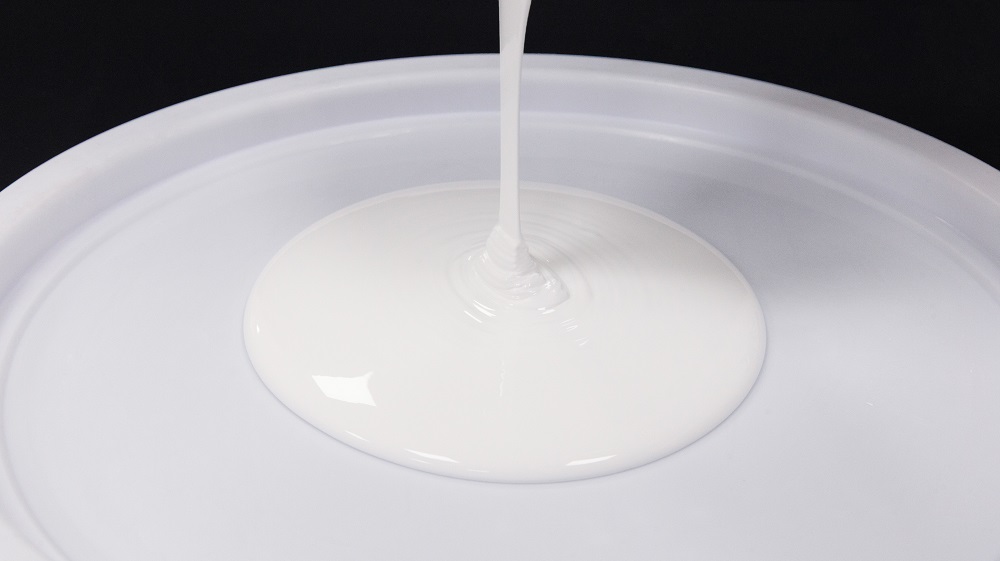
| Appearance | White Liquid |
| Alkali Resistance | 48 Hours Without Blistering Or Shedding |
| Water Resistance | 96 Hours Without Blistering Or Shedding |
| Initial Drying Crack Resistance | No Deterioration |
| Low Temperature Stability | No Deterioration |
| Coating Temperature Resistance | No Abnormality After 3 Cycles |
| Solar Reflectance | ≥80% |
| Thermal Insulation Temperature Difference | ≥10℃ |
| Paint Film Drying (surface Drying) | Surface Dryness<4h> |
| Drying Time (hardening) | Drying Time: <24h |
Acrylic Heat-Reflective Waterproof Coating Features
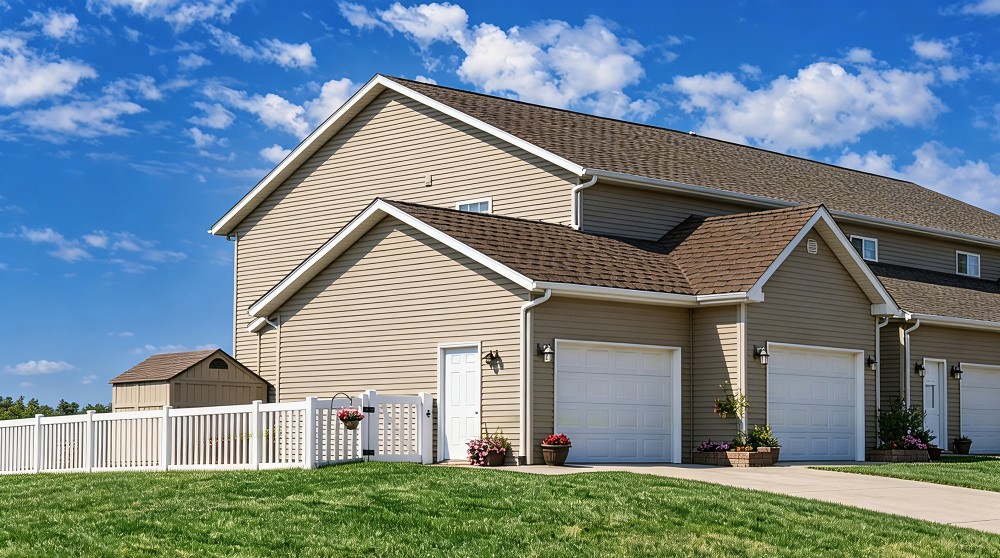
1. Solar heat reflection: The functional pigments in the paint film can effectively reflect visible light, near-infrared light, and ultraviolet light from sunlight. Most importantly, it reflects near-infrared rays, which are invisible to the naked eye but carry most of the heat, thus reducing heat accumulation at the source.
2. Heat radiation barrier: Hollow microspheres and other heat-insulating fillers in the paint film form an effective heat barrier layer, slowing down the conduction of heat from the paint film to the substrate.
3. Synergistic effect: The combination of reflection and barrier can significantly reduce the surface temperature of the coated object (such as metal roofs, oil tanks, etc.), and the internal temperature can be reduced by 5 ℃ -15 ℃ or even more, thereby achieving the purpose of energy saving, consumption reduction and improvement of working environment.
4. Excellent waterproof performance: The acrylic coating is highly elastic and can cover minor cracks to form a seamless waterproof layer, suitable for roofs, exterior walls, etc.
5. Weather resistance and protection: Acrylic resin gives the paint film excellent resistance to ultraviolet aging, good gloss and color retention, and is not easy to chalk, yellow or crack, thus extending the substrate and service life.
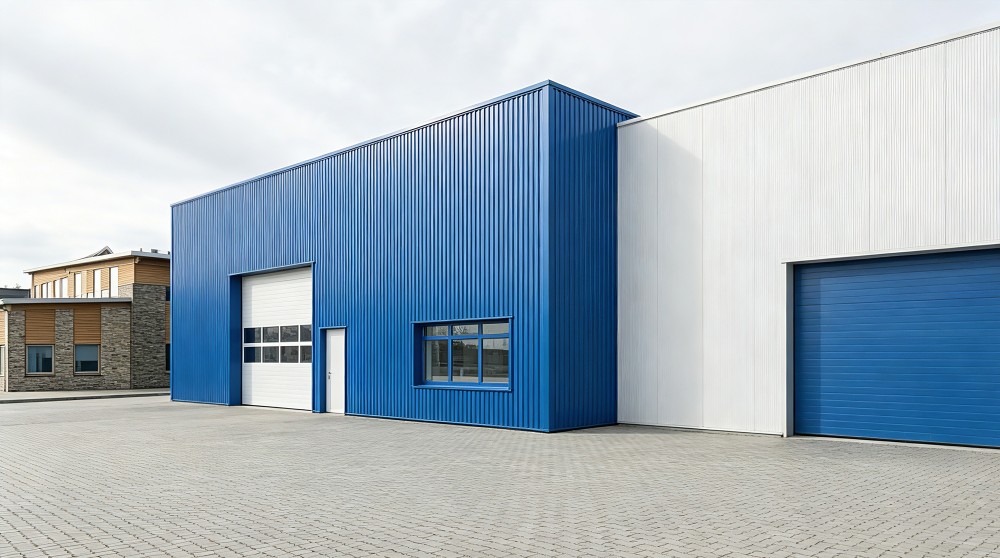
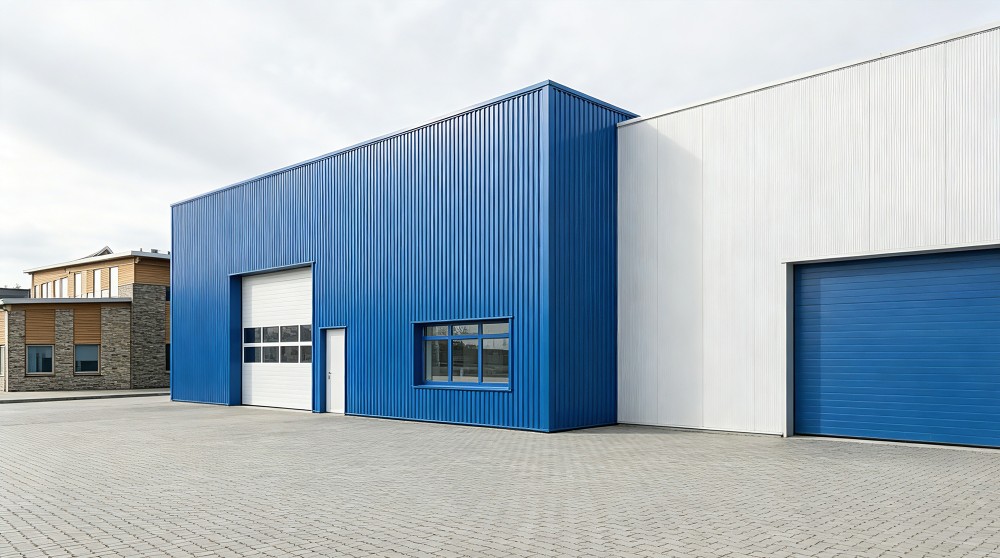
1. Metal Roofing: Color-coated steel roofs on factory buildings and warehouses. It offers exceptional cooling performance, effectively mitigating thermal expansion and extending the roof's service life.
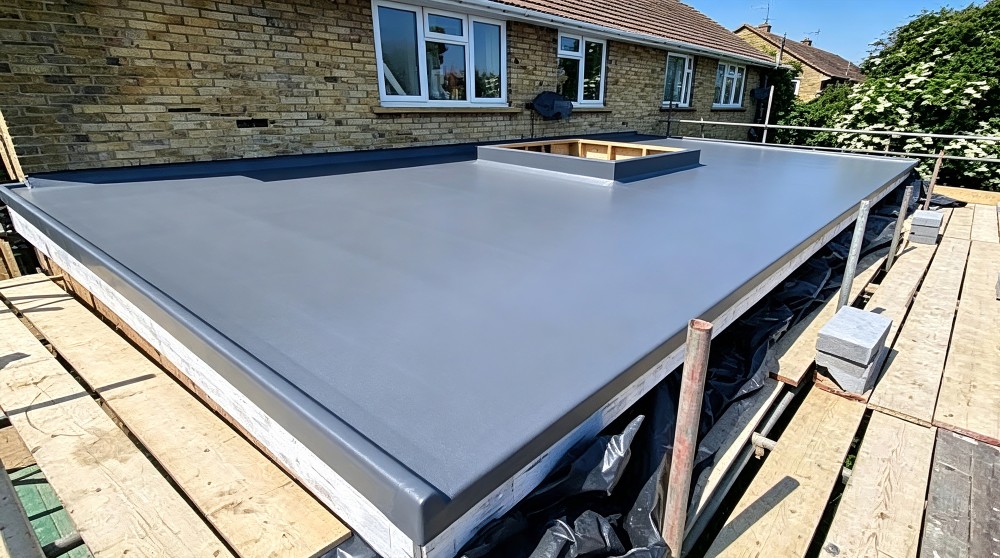
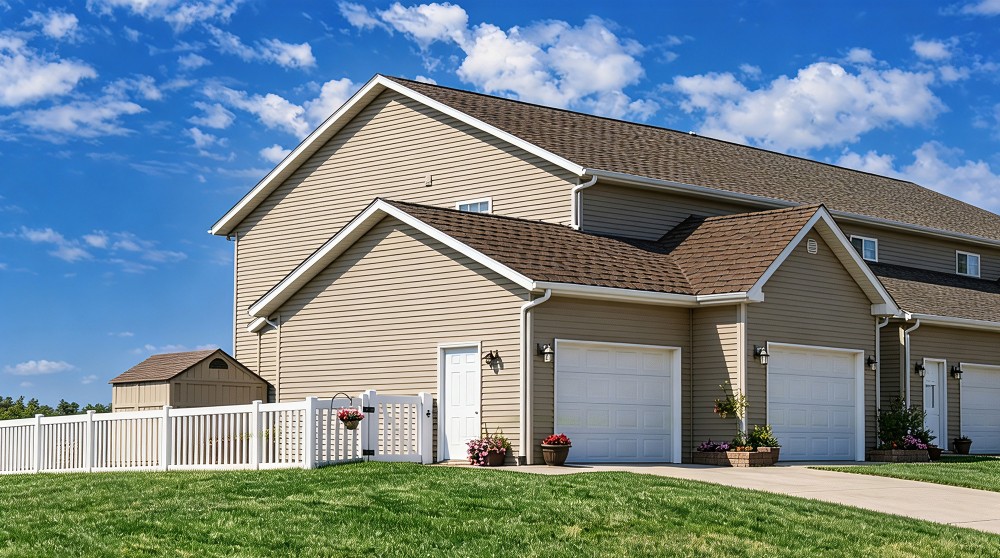
2. Concrete roofing: Flat or pitched roofs for residential, commercial, and industrial buildings.
3. Exterior Facade: Particularly suitable for walls exposed to the afternoon sun, improving indoor thermal comfort.
4. Other applications: Surfaces of facilities requiring thermal insulation, such as storage tanks and pipelines.
Acrylic Heat-Reflective Waterproof Coating Construction Guidelines
1. Substrate preparation: Remove loose, old layers, fill cracks with putty, sand the surface smooth and remove dust, and ensure the substrate is solid and free from chalking.
2. Roller-applied primer: First, apply one coat of alkali-resistant primer (especially for new homes or damp walls) to seal the substrate and enhance the adhesion of the topcoat.
3. First coat: Apply from top to bottom using a roller to maintain a uniform thickness and avoid repeated application which could cause drips.
4. Intermittent drying: When the ambient temperature is 25℃, apply the second coat by roller after 2 hours. In low temperature or high humidity environments, extend the drying time to 4 hours.
5. Final inspection: After completion, check for missed spots and drips, repair them in time, and allow 7 days of curing before touching the wall