Red Rubber Roof Waterproofing
Waterproofing Systems











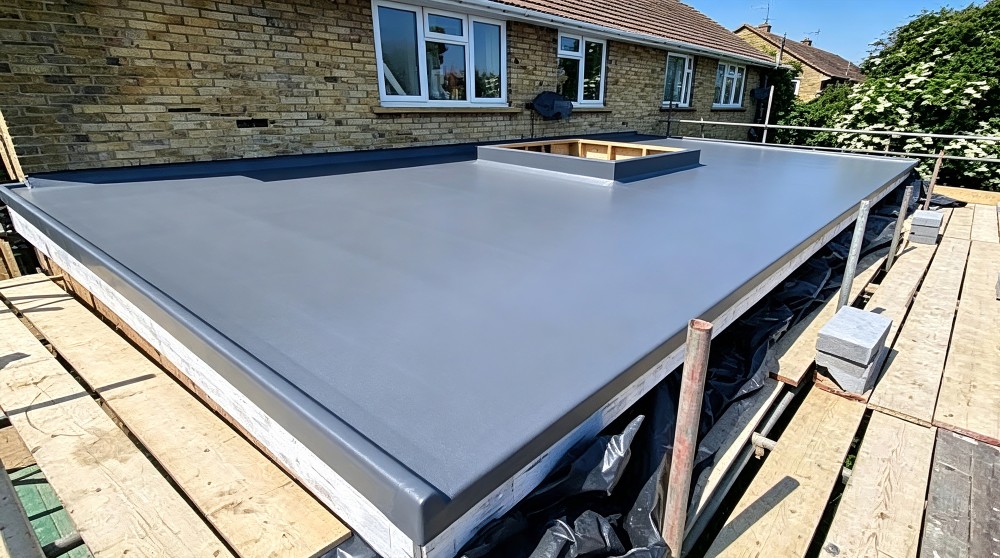
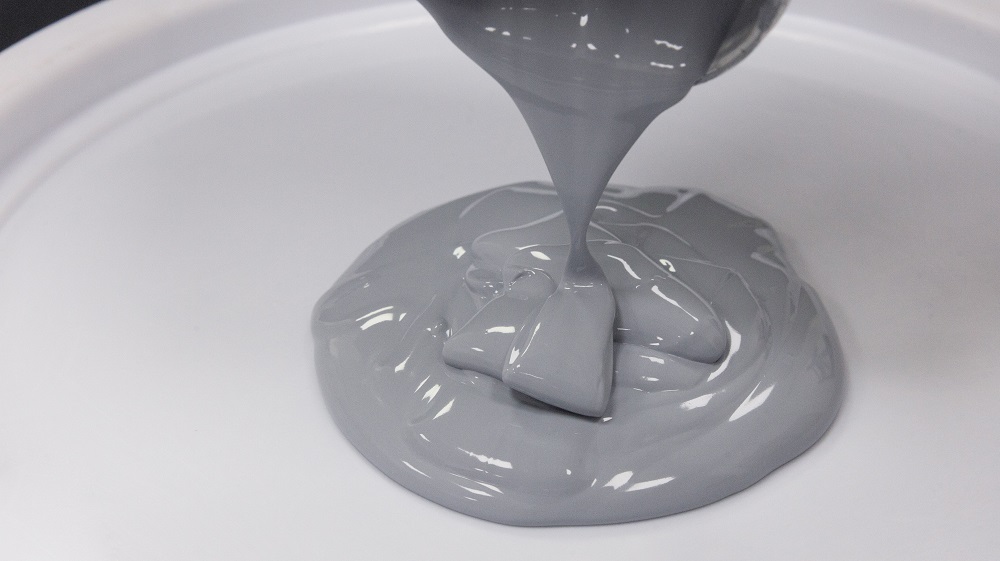
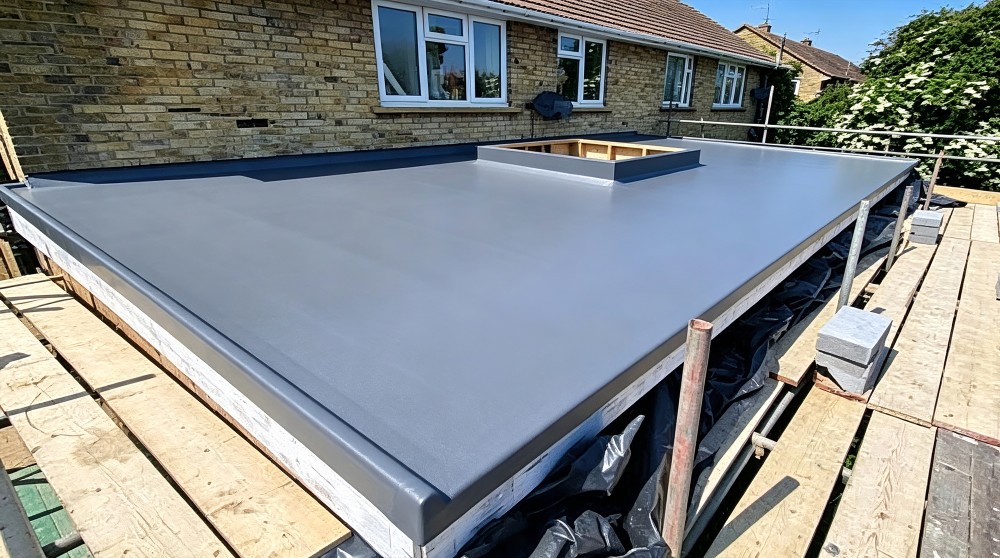
Red rubber roof waterproofing is a single-component solvent-based elastic waterproof coating made with high-quality modified asphalt as the main base material, with the addition of polymers, plasticizers, antioxidants, and other additives, and specific fibers (such as rubber powder) as reinforcing materials. After curing, it does not present the traditional brick red or brownish red color, but rather a medium gray, which is closer to the recent popular trends compared to traditional red rubber colors.
Red Rubber Roof Waterproofing Parameter
| Appearance | Gray Liquid |
| Alkali Resistance | 48 Hours Without Blistering Or Shedding |
| Water Resistance | 96 Hours Without Blistering Or Shedding |
| Initial Drying Crack Resistance | No Deterioration |
| Low Temperature Stability | No Deterioration |
| Coating Temperature Resistance | No Abnormality After 3 Cycles |
| Paint Film Drying (surface Drying) | Surface Dryness<4h> |
| Drying Time (hardening) | Drying Time: <24h |
Red Rubber Roof Waterproofing Features
1. High elongation: The coating can deform with the expansion or cracking of the substrate, effectively covering micro-cracks (up to 4mm or more) and adapting to the deformation of buildings caused by thermal expansion and contraction, settlement, etc.
2. Seamless overall waterproofing: After the coating film is formed, it forms a continuous, dense, and highly elastic rubber waterproof layer, completely eliminating the potential leakage risks at the overlap joints of the roll material. It is especially suitable for base surfaces with complex shapes and irregular structures.
3. High bonding strength: It bonds firmly to various substrates such as concrete, metal, and wood, and is not easy to peel or fall off.
4. Environmentally friendly and non-toxic: It uses an environmentally friendly formula, is non-toxic and odorless, contains no harmful substances, will not harm human health or the environment, and meets relevant environmental protection standards.
5. Good durability: The coating has good weather resistance, aging resistance, and corrosion resistance, and has a long service life.
① Roof waterproofing: Concrete flat roofs, pitched roofs, corrugated steel roofs, etc.
② Underground works: Waterproofing and damp-proofing of basement floors, side walls, and roof slabs.
③ Bathrooms, kitchens, balconies: Waterproofing of indoor areas.
④ Complex structures: Reinforcement treatment of details such as pipe roots, drain outlets, internal and external corners, and expansion joints.
⑤ Repair works: Partial repair and renovation of existing waterproofing layers (such as SBS membrane).
Red Rubber Roof Waterproofing Construction Guidelines
1. Substrate preparation: The substrate should be firm, flat, clean, and free of oil stains and dust. Obvious cracks and holes should be repaired and smoothed with cement mortar first, and inside and outside corners should be rounded.
2. Detail treatment: At pipe roots, inside and outside corners, cracks, etc., first use paint in combination with reinforced polyester cloth for a three-coat reinforcement treatment.
3. Large-area application:
Apply by roller or trowel: Apply the paint evenly to the substrate, ensuring the brushing directions of each coat are perpendicular.
Ensure sufficient coverage: Typically, 2-3 coats are required to achieve the designed thickness (usually 1.5mm or more). Each coat should only be applied after the previous coat has completely dried (not tacky to the touch).
4. Water tightness test: After the waterproof layer has completely dried (usually 48-72 hours), a 24- hour water tightness test is conducted. Only after confirming that there is no leakage can the next step of protective layer or finishing layer construction be carried out.