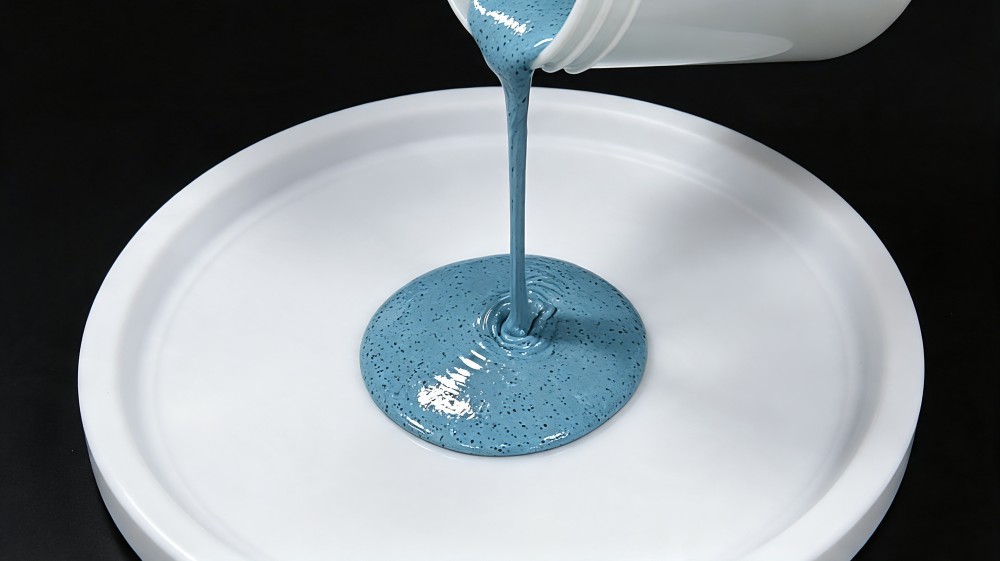
Epoxy Terrazzo
Industrial Coatings









Epoxy terrazzo is a high-performance, seamless composite flooring made of epoxy resin and colored quartz sand through a special process of on-site laying and curing. It firmly bonds countless tiny, colored quartz stones together with epoxy resin "glue" to form a solid, integrated floor. It belongs to one of the most high-end categories of epoxy flooring, combining strong functionality and decoration.
Epoxy Terrazzo Parameter
| Appearance | Flat And Smooth |
| Gloss | 20-30° |
| Alkali Resistance | No Abnormalities Found In 48 Hours |
| Water Resistance | No Abnormalities Found In 96 Hours |
| Low Temperature Stability | No Abnormalities |
| Coating Temperature Resistance | No Abnormalities Were Found In The Three Cycles |
| Paint Film Drying (surface Drying) | ≤4H |
| Recoating Time/coat Layers | ≥24H |
| Drying Time (hardening) | 72H |
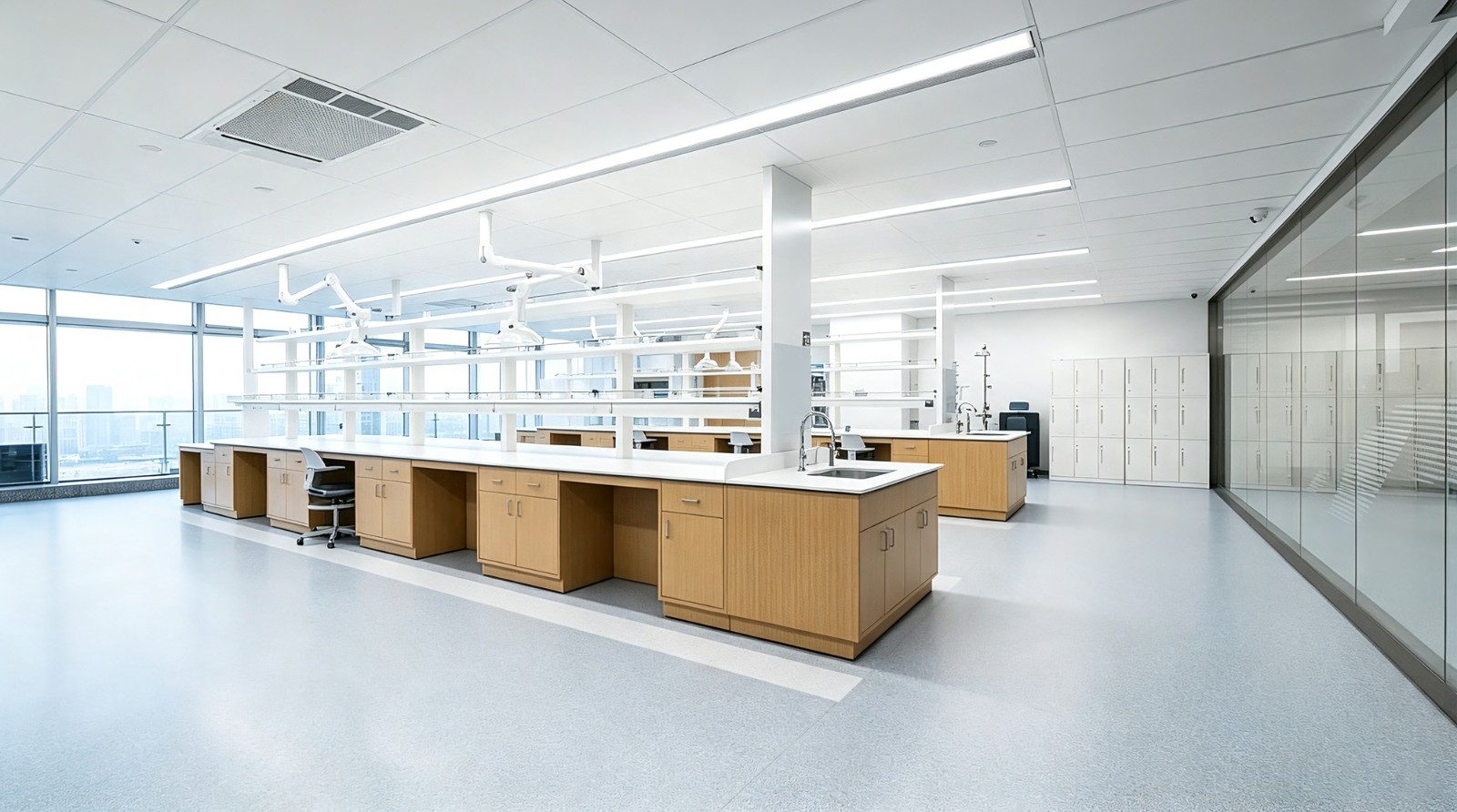
Epoxy Terrazzo Features
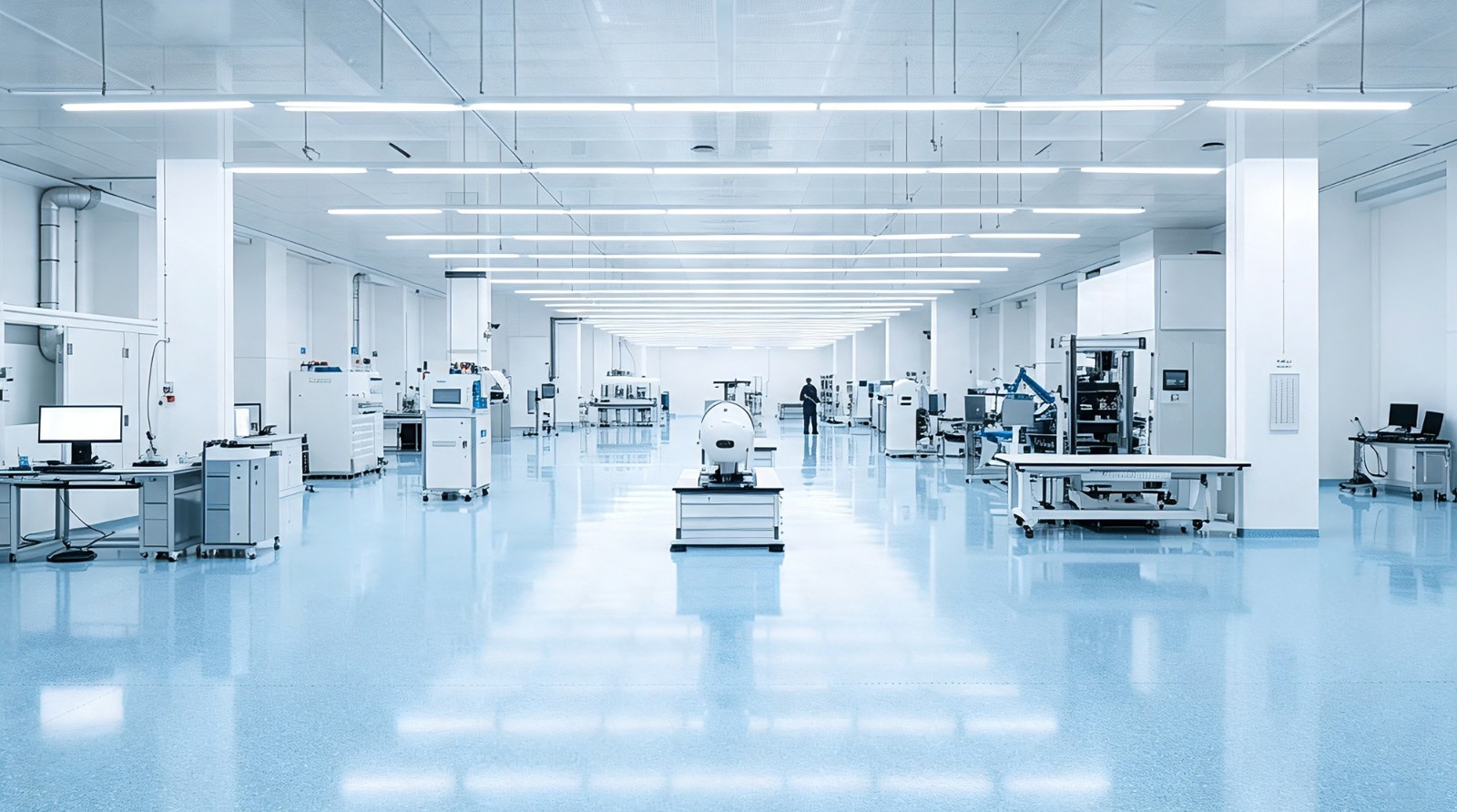
1. Extreme wear and pressure resistance: the biggest advantage. The surface is made of hard quartz sand, and its wear resistance is among the best of all epoxy flooring products. It can withstand the long-term rolling and friction of heavy vehicles and machinery, and has an extremely long service life.
2. Seamless and dustproof, extremely easy to clean: The seamless design completely eliminates any hiding place for dust and bacteria. The dense and smooth surface has strong impermeability, and stains can be wiped clean with a single touch, meeting the high cleanliness requirements of pharmaceuticals, food, and other industries.
3. Excellent chemical corrosion resistance: It can resist the erosion of most acids, alkalis, salts, solvents and other chemicals, and is widely used in chemical, laboratory and workshop environments.
4. Slip-resistant and safe: Quartz sand particles provide a uniform and long-lasting anti-slip effect. Even in the presence of water or oil stains, the anti-slip performance is far superior to ordinary smooth flooring, ensuring high safety.
5. Strong decorative effect: Artistic mosaics can be created using different colored quartz sand, resulting in rich, colorful, and highly personalized patterns and effects that are both beautiful and practical.
1. Industrial sector: Heavy-duty factories, workshops, warehouses, logistics centers, garages, and parking lots.
2. Commercial sector: large shopping malls, supermarkets, exhibition halls, theaters, airport terminals.
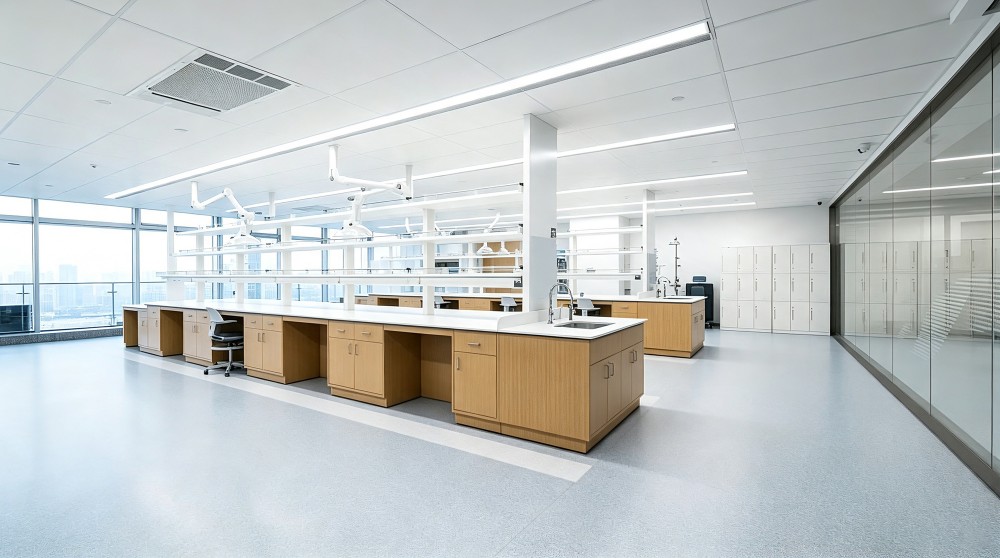
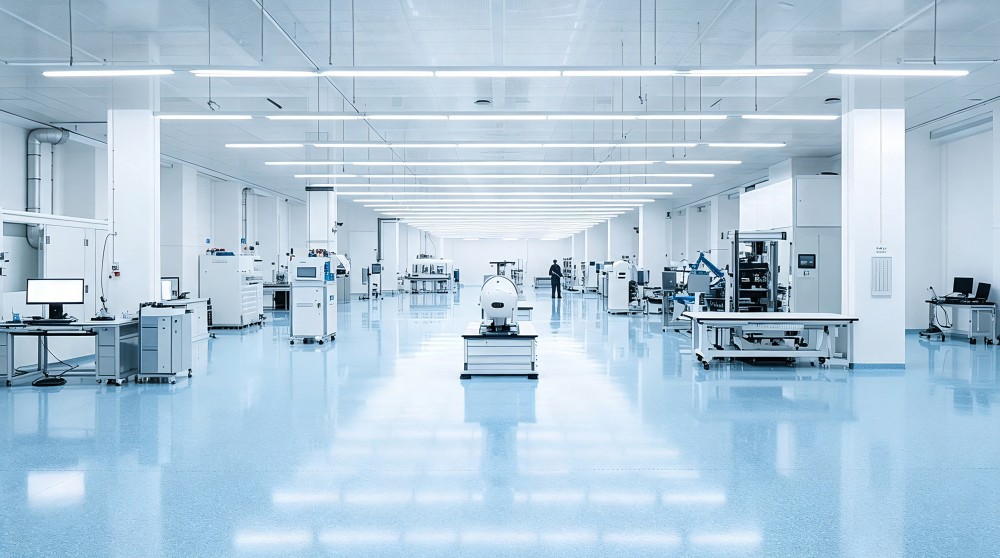
3. Locations requiring high cleanliness: pharmaceutical/food factories, electronic semiconductor workshops, hospital operating rooms, laboratories.
4. Public and special places: schools, stadiums, museums, libraries, sewage treatment plants.
Epoxy Terrazzo Construction Guidelines
1. Substrate preparation (crucial): Grind and clean the concrete substrate to ensure it is firm, flat, dry, and free of oil. Repair and reinforcement may be necessary.
2. Apply epoxy primer: Roller-apply high-performance epoxy primer to seal the substrate, enhance adhesion, and prevent moisture from rising.
3. Laying terrazzo (core step): This is a crucial step in forming the main body of the floor. Mix the solvent-free epoxy resin components A and B in a 6: 1 ratio, then pour the mixture onto the ground, spread it evenly with a professional trowel, and use a defoaming roller to remove bubbles, allowing it to level naturally.
4. Curing: After construction, sufficient curing time (usually more than 7 days) is required before it can withstand heavy loads.