Tile Color-Changing Paint
Industrial Coatings













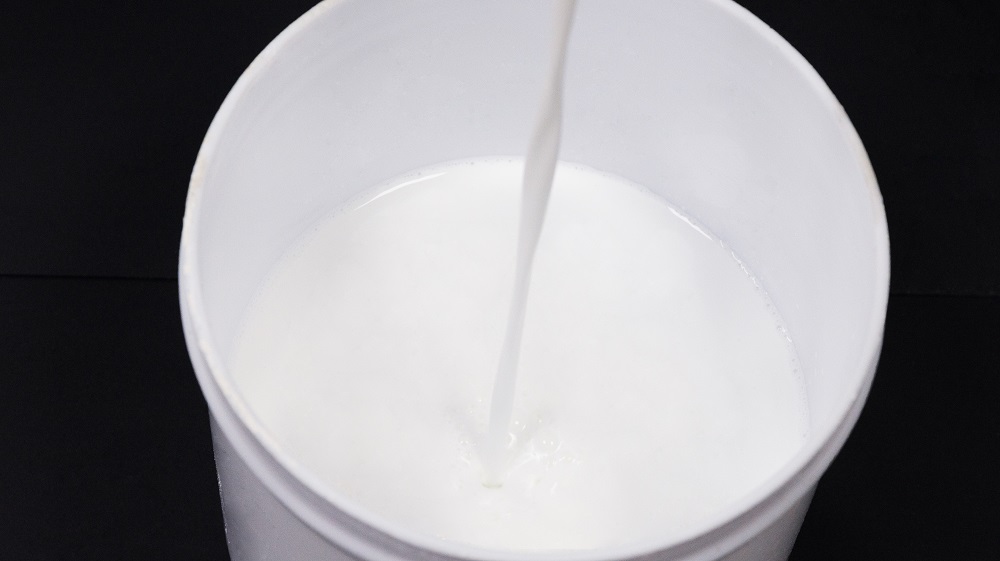
Tile color-changing paint is a versatile, multi-substrate color-changing and protective product, with technical specifications that meet high protection requirements. Suitable substrates include wood, ceramic tiles, cement, and metal, enabling integrated color-changing, decorative, and protective properties. Its adhesion meets industry-leading standards, ensuring stable adhesion to a variety of substrates. Its hardness has been tested to an exceptionally high level, offering exceptional wear and scratch resistance. Its simple construction process is compatible with a variety of substrates, and its stable technical parameters ensure long-lasting and reliable color-changing results.
Tile Color-Changing Paint Parameter
| Appearance | Smooth, Flat, No Abnormalities |
| Solid Content | 50-60% |
| Specific Gravity | 1.3-1.4 |
| PH | 8.5-9.5 |
| Gloss | 10-20° |
| Viscosity | 100-105ku |
| Alkali Resistance | 48 Hours Without Blistering Or Shedding |
| Water Resistance | 96 Hours Without Blistering Or Shedding |
| Low Temperature Stability | No Deterioration |
| Coating Temperature Resistance | No Abnormality After 3 Cycles |
| Paint Film Drying (surface Drying) | ≤4H |
| Recoat Time/coating Layer | ≥24H |
| Drying Time (hardening) | ≥96H |
Tile Color-Changing Paint Features
1. Versatility for multiple substrates: It can be used on surfaces such as wood, tiles, cement, and metal, adapting to different materials and meeting various color change needs.
2. Superior Adhesion: Meets industry-leading standards. Can firmly adhere to a variety of substrates without peeling.
3. Outstanding high protection: It meets high protection requirements, provides reliable protection while changing color, and is practical in function.
4. Ultra-high hardness: Excellent scratch and wear resistance, can effectively resist daily friction and collision, and extend service life.
5. Easy construction: Adaptable to multiple substrate processes, simple operation, no need for complex professional skills, saving construction costs.
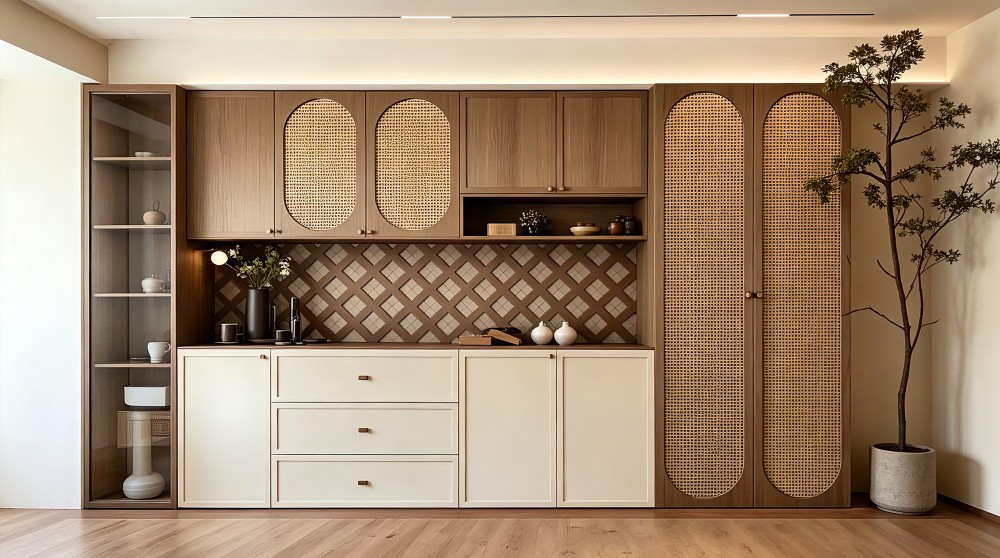
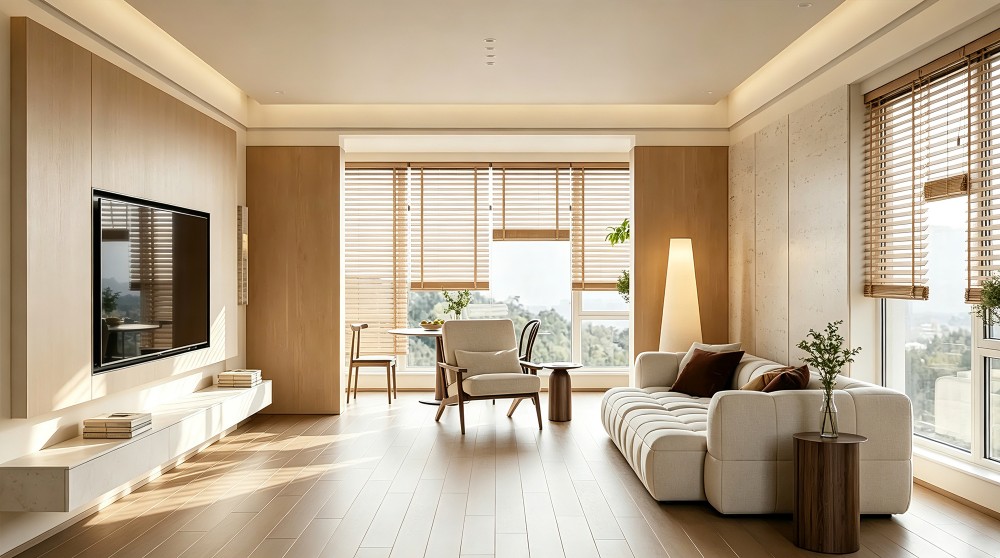
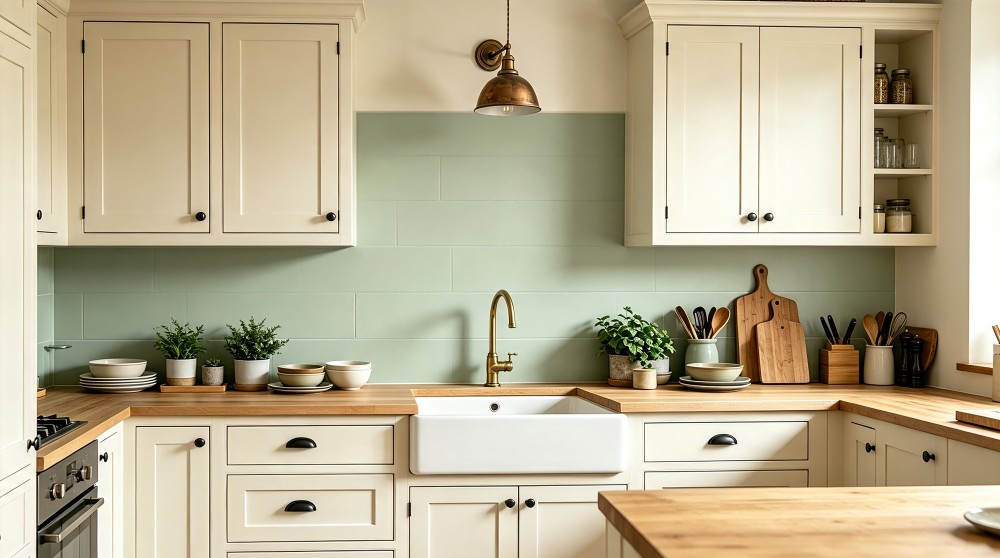
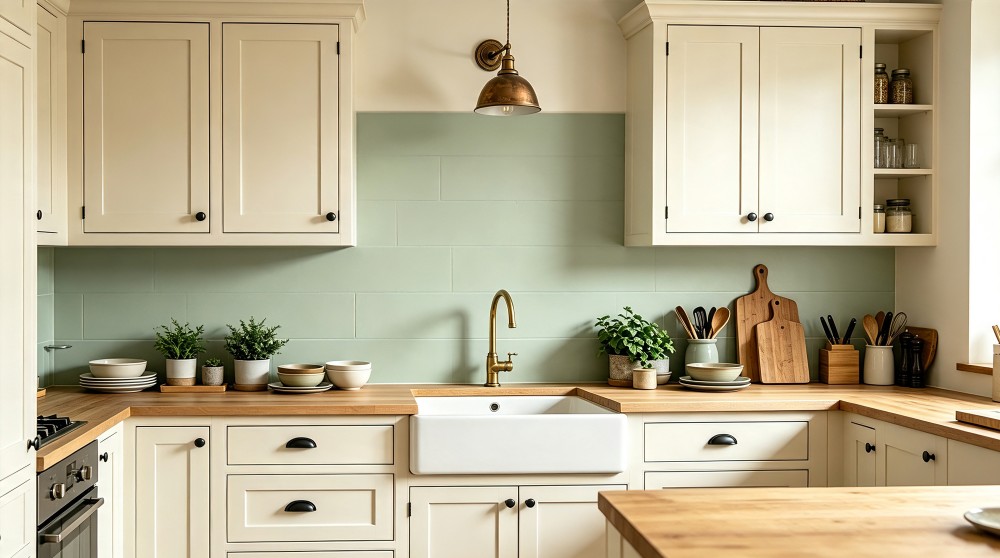
1. Home renovation: It can be used to change the color of wooden furniture, kitchen tile walls, bathroom tile floors and metal doors and windows to enhance the appearance of your home.
2. Commercial places: Suitable for updating the color of shopping mall cement floors, restaurant wooden partitions, hotel metal decorations and tile walls to create a new atmosphere.
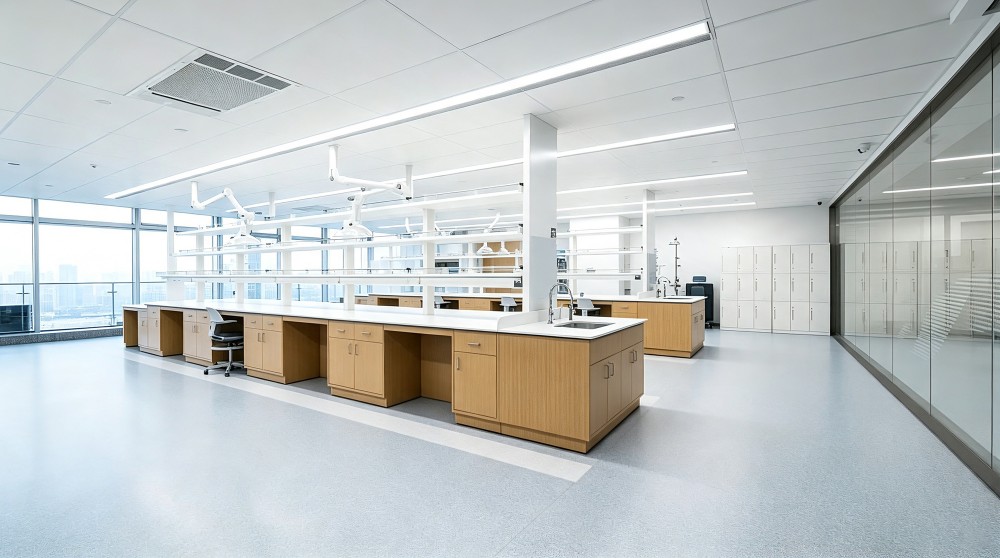
3. Industrial areas: It can change the color of factory metal equipment, cement operating tables, and warehouse tile floors and provide protection to adapt to industrial environments.
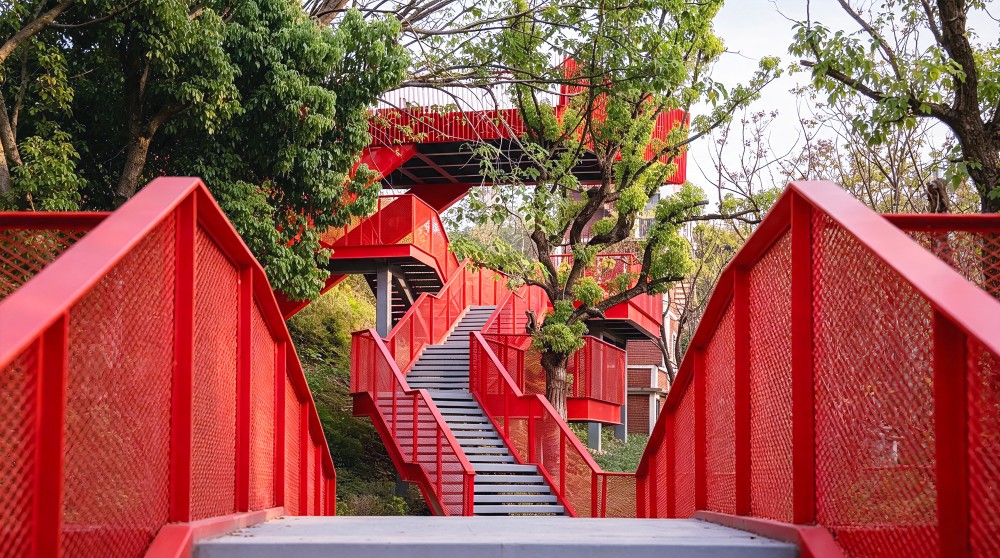
4. Outdoor facilities: It can be used to change the color of wooden seats, metal railings, cement steps and tile decorative surfaces in parks to resist outdoor erosion.
5. Renovation of old items: Change the color of old wooden ornaments, metal utensils, tile decorations, etc. to give them new life.
Tile Color-Changing Paint Construction Guidelines
1. Surface cleaning and sanding: Thoroughly remove oil and dust (heavy oil stains in the kitchen require strong cleaning with dish soap), rinse with clean water and dry completely, use 200-400 grit sandpaper to evenly sand the surface of the tile to roughen it and enhance adhesion.
2. Clean the dust: Use a damp cloth or mop to thoroughly wipe away the dust generated during sanding, and allow it to dry completely.
3. Apply tile treatment agent (key step): Apply a layer of specialized tile treatment agent evenly by roller or spray. After waiting for 30-60 minutes to react, clean the tile treatment agent off with a mop.Purpose: To remove the glaze from the tile surface, allowing subsequent main materials to adhere.
4. Applying the color-changing paint (topcoat): After opening the can, mix the A and B components thoroughly and dilute with 10-15% water. Usually, 2-3 coats are required. Use a roller (for large areas)
and a brush (for edges and corners). Ensure the first coat is completely dry (usually 2-4 hours according to product instructions) before applying the second coat.
5. Curing: After construction, it needs to be cured for 3-7 days before it can be used normally. During this period, avoid water washing, scratching, and placing heavy objects on it.