
Liquid Waterproofing Membrane
Waterproofing Systems











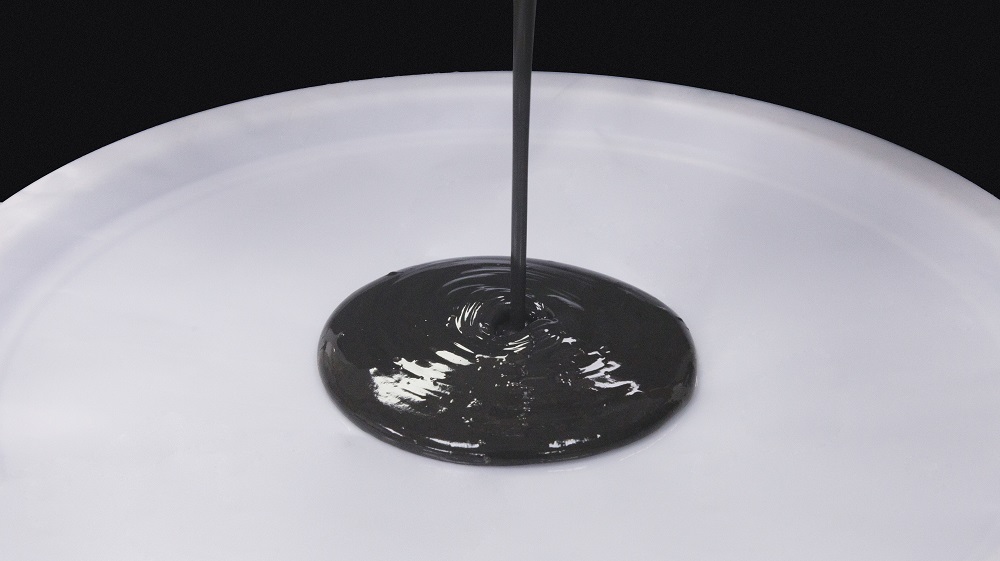
Liquid membrane is a highly elastic rubberized bitumen waterproofing coating. It mimics the characteristics of traditional SBS/APP modified bitumen membranes in appearance (black viscous liquid), main components (modified bitumen and polymers), and final film-forming effect, but is applied in liquid form by on-site spraying or brushing.
Liquid Waterproofing Membrane Parameter
| Appearance | Black Liquid |
| Alkali Resistance | 48 Hours Without Blistering Or Shedding |
| Water Resistance | 96 Hours Without Blistering Or Shedding |
| Initial Drying Crack Resistance | No Deterioration |
| Low Temperature Stability | No Deterioration |
| Coating Temperature Resistance | No Abnormality After 3 Cycles |
| Paint Film Drying (surface Drying) Surface Dryness | <4h |
| Drying Time (hardening) | Drying Time: <24h |

Liquid Waterproofing Membrane Features
1. Seamless connection and excellent integrity: Liquid molding completely eliminates the most common leakage hazard — the overlap seam of the roll material. It has significant advantages in handling complex substrates (pipe roots, inside and outside corners, irregular structures).
2. Convenient and efficient construction: Especially when using specialized spraying equipment, the construction speed is extremely fast, and it is more adaptable to the substrate. It eliminates the need for cutting, laying, and baking processes.
3. Strong adhesion: The liquid material can penetrate into the capillary pores of the substrate, forming a "claw-shaped" gripping force, and firmly bonding to the substrate such as concrete and metal.
4. Environmentally friendly and safe: Water-based product, no open flame construction, reducing fire hazards and environmental pollution.
5. Easy to repair: Localized damage can be repaired directly, and leaks are easy to locate.
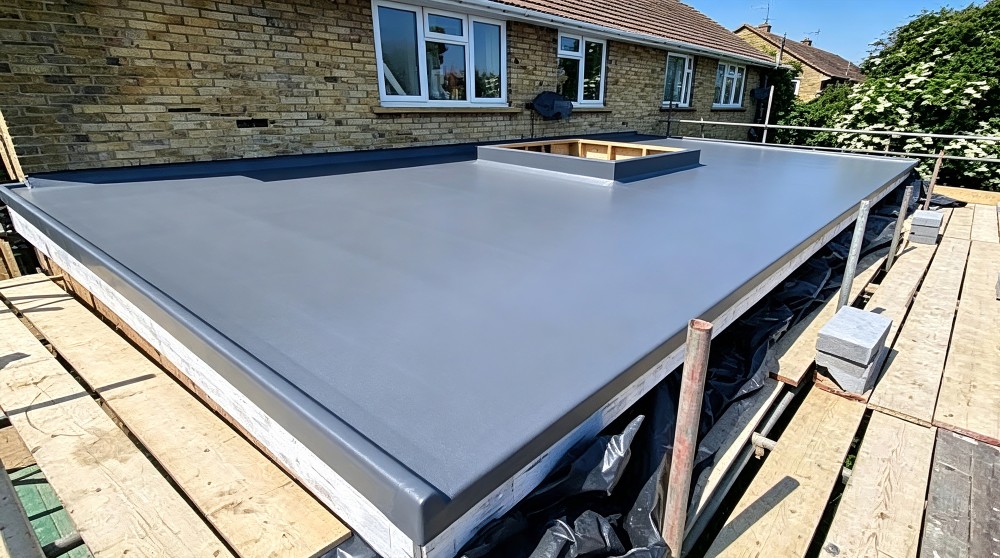
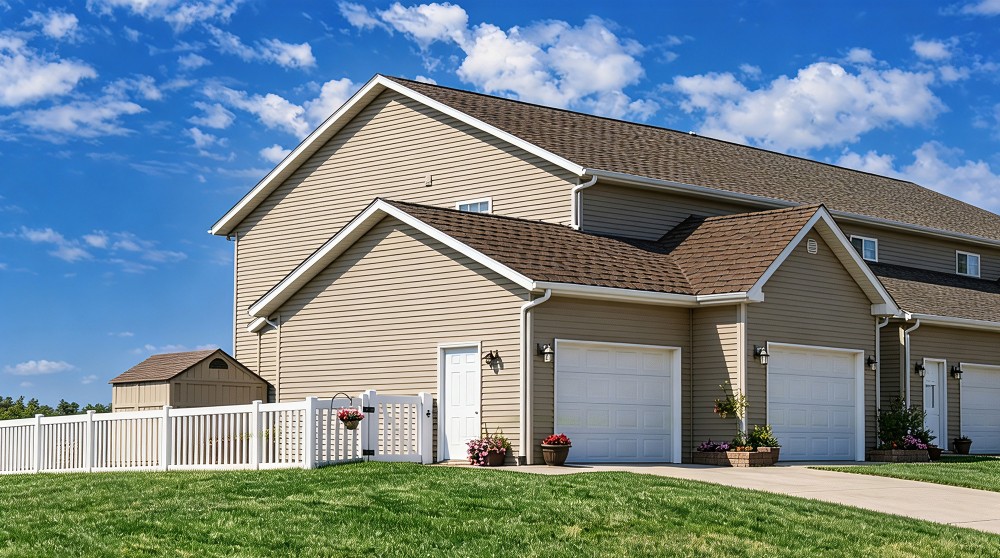
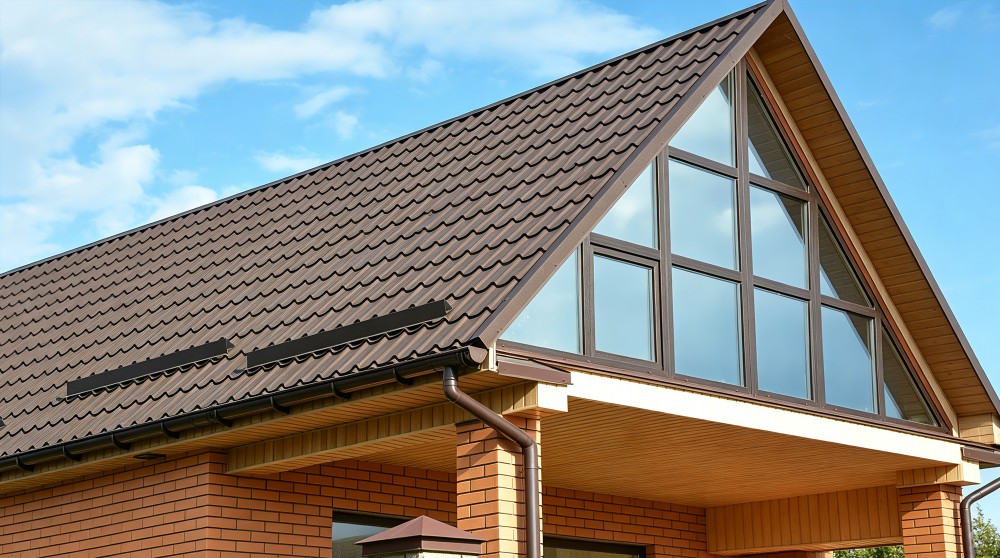
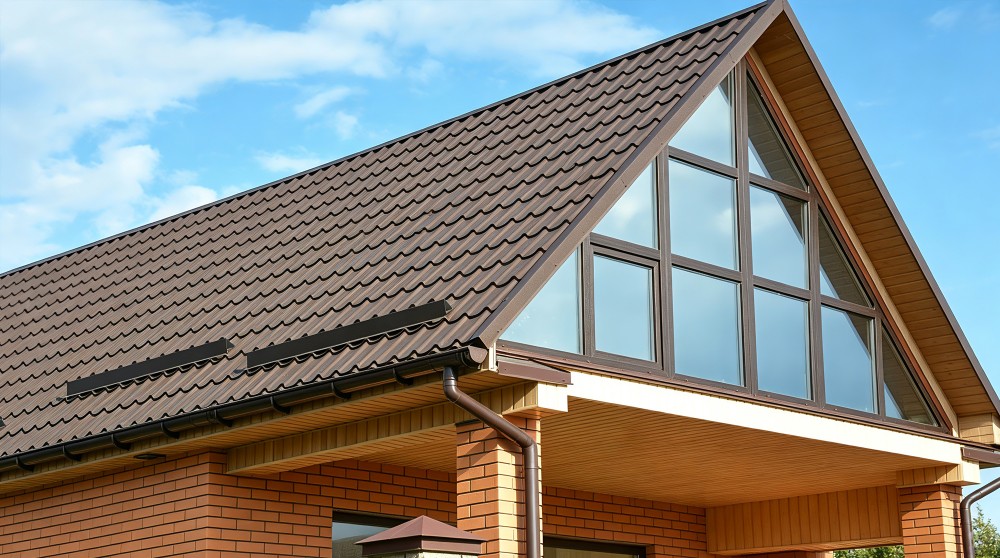
① Waterproofing of building roofs, especially complex-structured pitched roofs and metal roofs.
② Waterproofing of basement side walls/roof slabs.
③ Waterproofing of kitchens, bathrooms, and balconies.
④ Repair of expansion joints and cracks.
⑤ As a "waterproofing layer" for the renovation of old roll roofing, directly covering the surface.
Liquid Waterproofing Membrane Construction Guidelines
1. Substrate preparation: The substrate should be firm, flat, clean, and free of oil stains and dust. Obvious cracks and holes should be repaired and smoothed with cement mortar first, and inside and outside corners should be rounded.
2. Detail treatment: At pipe roots, inside and outside corners, cracks, etc., first use paint in combination with reinforced polyester cloth for a three-coat reinforcement treatment.
3. Large-area application: Apply by roller or trowel: Apply the paint evenly to the substrate, ensuring the brushing directions of each coat are perpendicular. Ensure sufficient coverage: Typically, 2-3 coats are required to achieve the designed thickness (usually 1.5mm or more). Each coat should only be applied after the previous coat has completely dried (not tacky to the touch).
4. Water tightness test: After the waterproof layer has completely dried (usually 48-72 hours), a 24- hour water tightness test is conducted. Only after confirming that there is no leakage can the next step of protective layer or finishing layer construction be carried out.