Dry Powder Cave Shadow Stone
Dry Mix Finishes









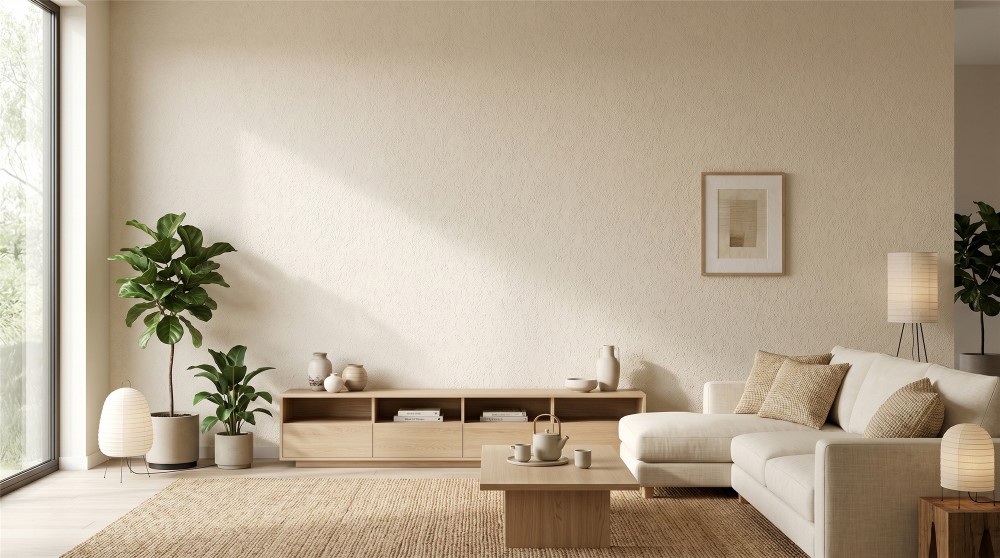
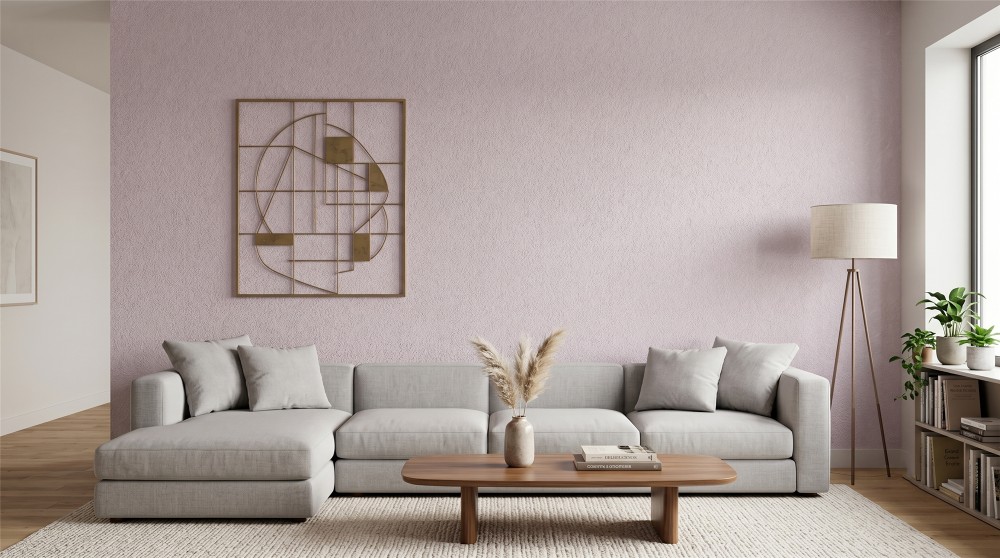
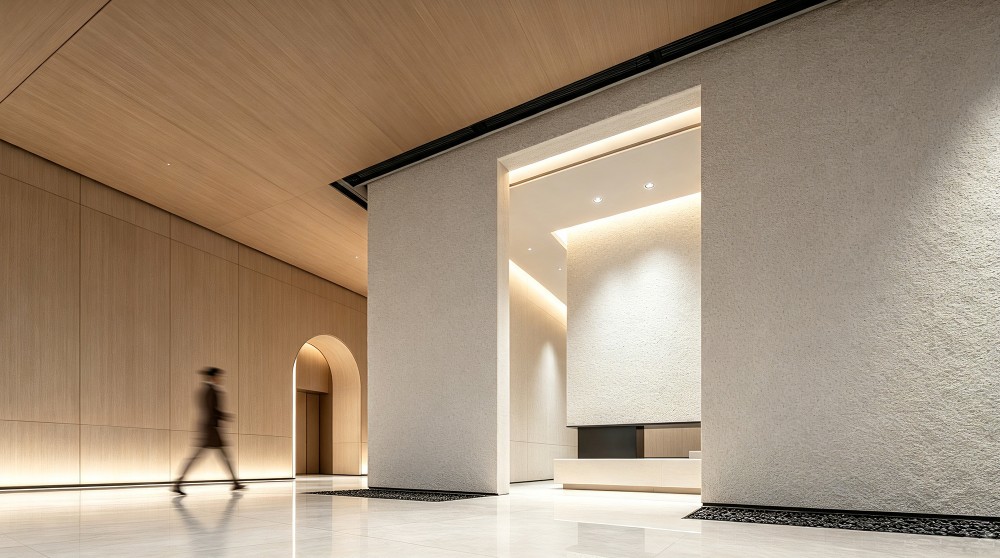
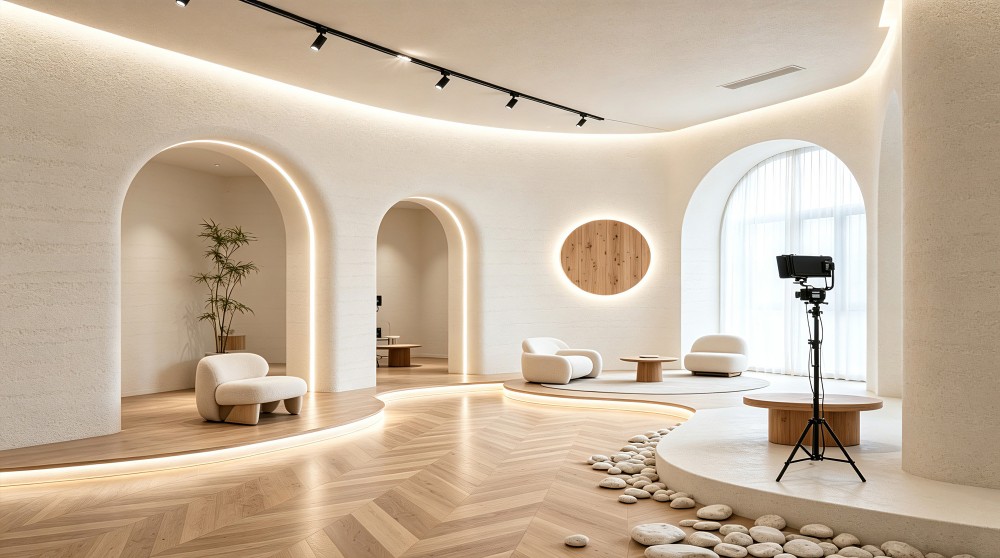
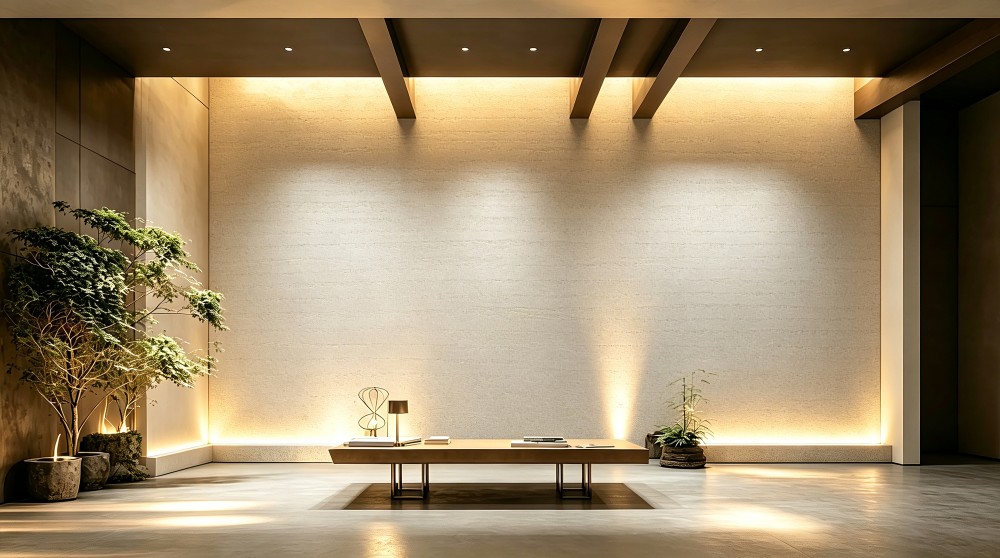
Dry powder cave shadow stone is an innovative two-component stone-like art coating, made by mixing special dry powder and a special emulsion in a specific ratio. It creates the porous texture, rich layers, and soft sheen characteristic of natural travertine, presenting a three-dimensional, natural stone effect through processes such as troweling and wiping. The product has excellent crack resistance and adhesion, bringing a unique natural stone decorative aesthetic to interior walls.
Dry Powder Cave Shadow Stone Parameter
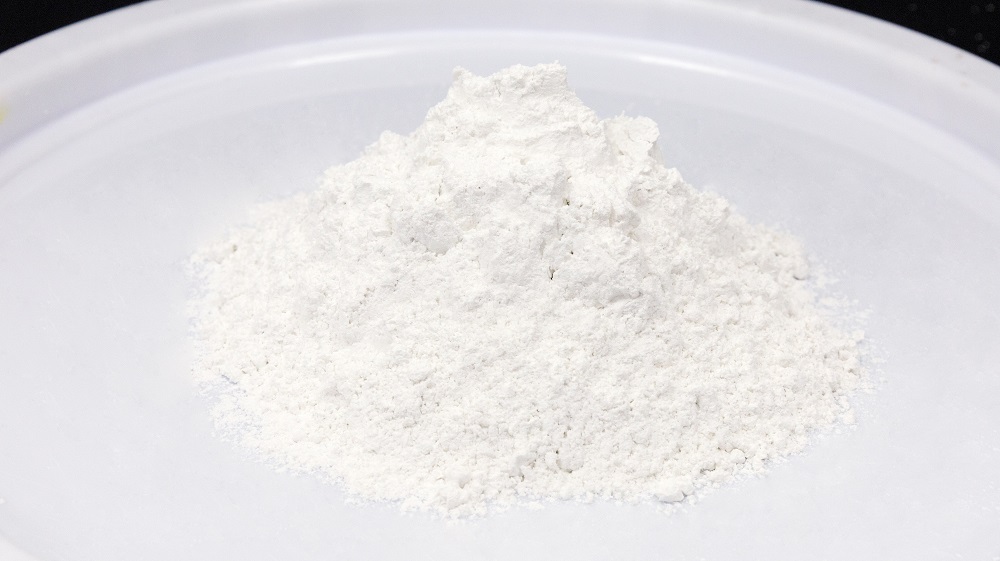
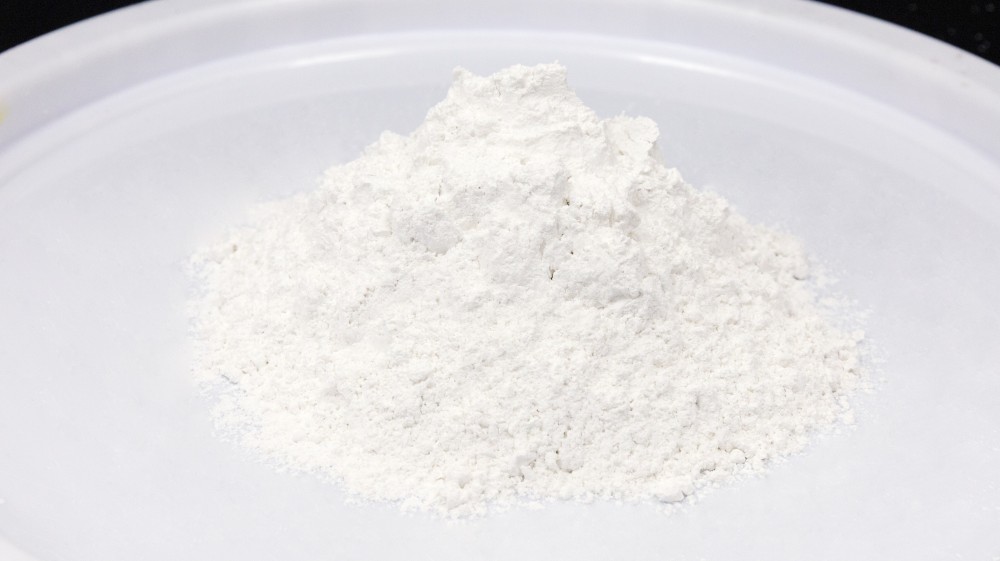
| Appearance | White To Slightly Yellow Powdery Solid |
| Solid Content | ≥99% |
| Alkali Resistance(24H) | No Bubbling, No Peeling |
| Water Resistance(48H) | No Bubbling, No Peeling |
| Low Temperature Stability | Undeteriorated |
| Coating Temperature Resistance | No Abnormalities Were Found In The Three Cycles |
| Paint Film Drying (surface Drying) | ≤2h |
| Recoat Time/coating Layer | ≥24h |
| Drying Time (hardening) | 72h |
Dry Powder Cave Shadow Stone Features
1. Realistic stone texture: Using specially graded aggregates and processes, it can reproduce the mottled texture, rich layers and light and shadow changes of natural stone, with a realistic and natural texture.
2. Excellent adhesion and durability: The coating is dense and robust, with strong adhesion to the substrate. It possesses excellent water resistance, alkali resistance, and impact resistance, resulting in a long service life.
3. Highly malleable and versatile: Through different construction tools and techniques (such as troweling, patting, and roughening), a variety of textured effects can be customized, resulting in strong artistic expression.
4. Environmentally friendly and safe, breathable and mildew-resistant: The main components are inorganic minerals with extremely low VOC content, and the microporous structure gives it excellent breathability, regulates moisture, and inhibits mold growth.
5. Excellent crack resistance: The two-component formula forms a flexible paint film that effectively covers minor cracks, adapts to slight deformation of the substrate, and maintains a long-lasting aesthetic appearance.
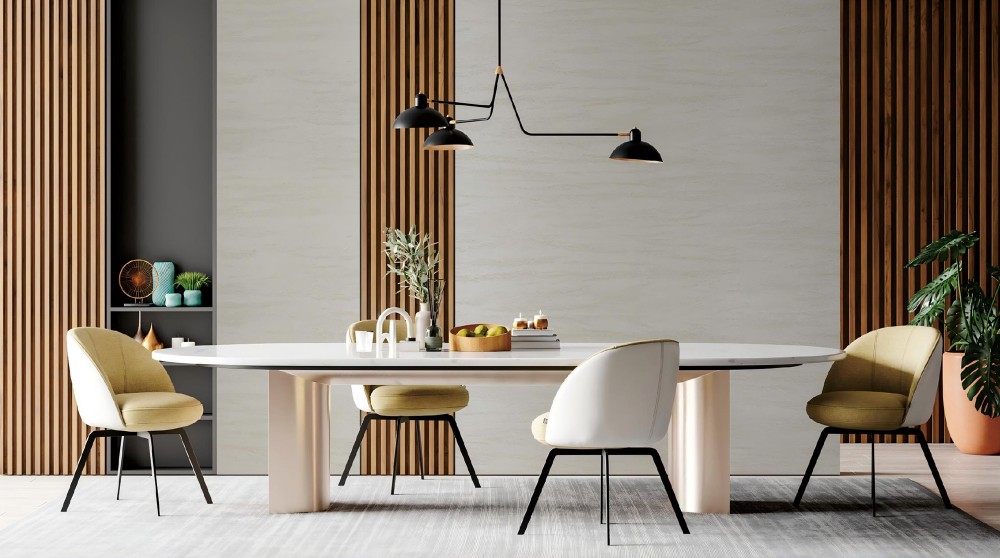
Suitable for interior and exterior walls where high decorative effects are required, such as feature walls, columns, and door frames in villas, hotels, clubs, exhibition halls, and commercial spaces. The substrate must be a solid, flat cement base or gypsum board, etc.
Dry Powder Cave Shadow Stone Construction Guidelines
1. Penetrating Primer: Using a wool roller, apply a coat of penetrating primer evenly to the substrate. This deeply seals the substrate, enhances the adhesion of subsequent coatings, prevents moisture absorption and efflorescence, and ensures coating stability.
2. Slurry preparation: Mix component A and component B of the cave shadow stone in a ratio of 98: 2, then mix with water at a ratio of dry powder to water of 1: 0.15-0.2. Use an electric mixer to thoroughly
stir into a uniform paste, let it stand and mature for 5-10 minutes to ensure there are no lumps, and set aside.
3. First coat: Use a putty knife to apply the prepared mortar evenly and to a consistent thickness to thewall. As the base coating, it should be smooth, dense, and without any gaps.
4. Surface sanding: After the first coat has dried naturally, lightly sand the entire surface with sandpaper or a sander to remove trowel marks and bumps, making the surface smooth and laying the foundation for subsequent construction.
5. Second coat: Apply the second coat of slurry, and while it's still wet, use a putty knife to pat the surface to create the desired travertine texture. Then, use a smooth putty knife to level the surface, making the texture clear, natural, and the overall surface smooth.
6. Topcoat protection: After the textured layer is completely dry, sand it once with 400-600 grit sandpaper, then apply two coats of special topcoat paint evenly with a roller. Each coat should be surface dry before applying the next coat to enhance the coating's stain resistance, weather resistance, and durability.