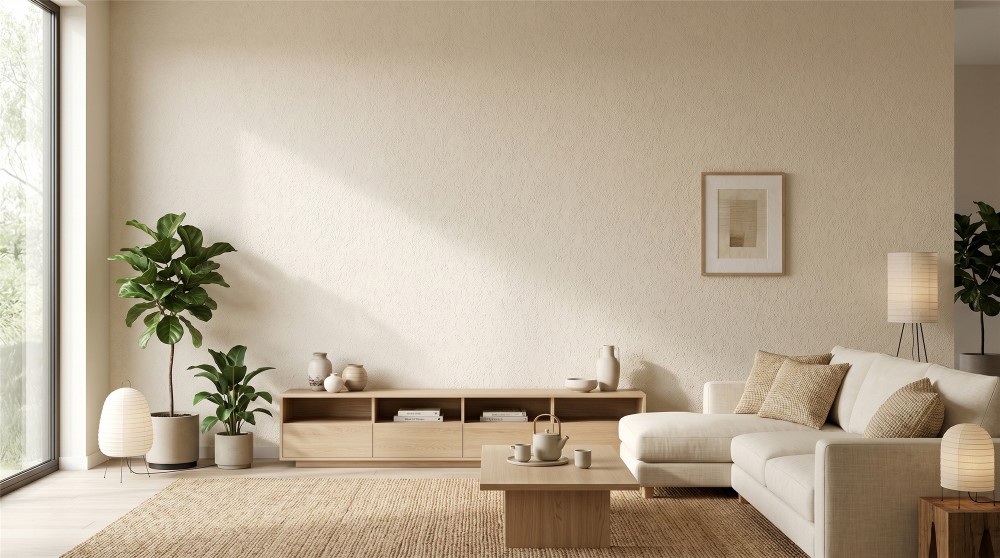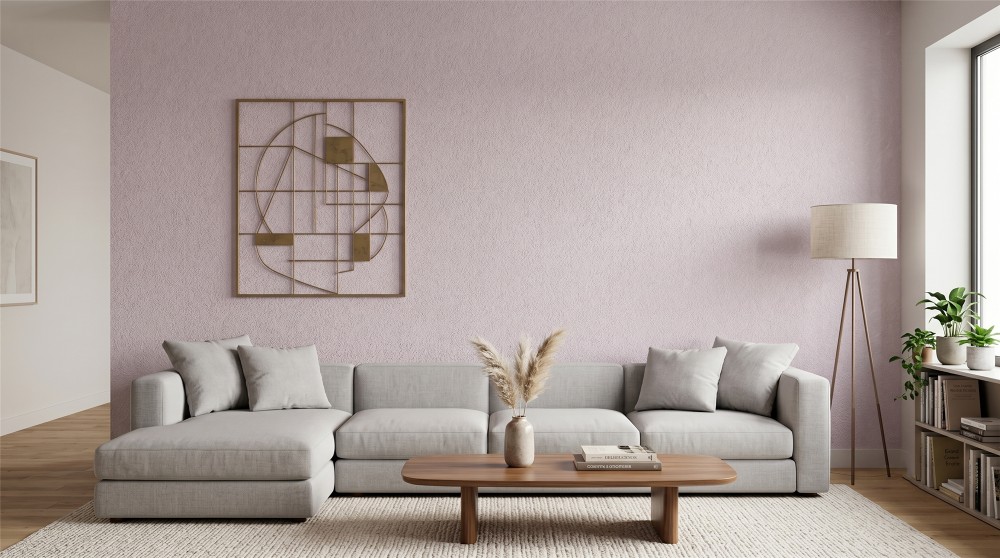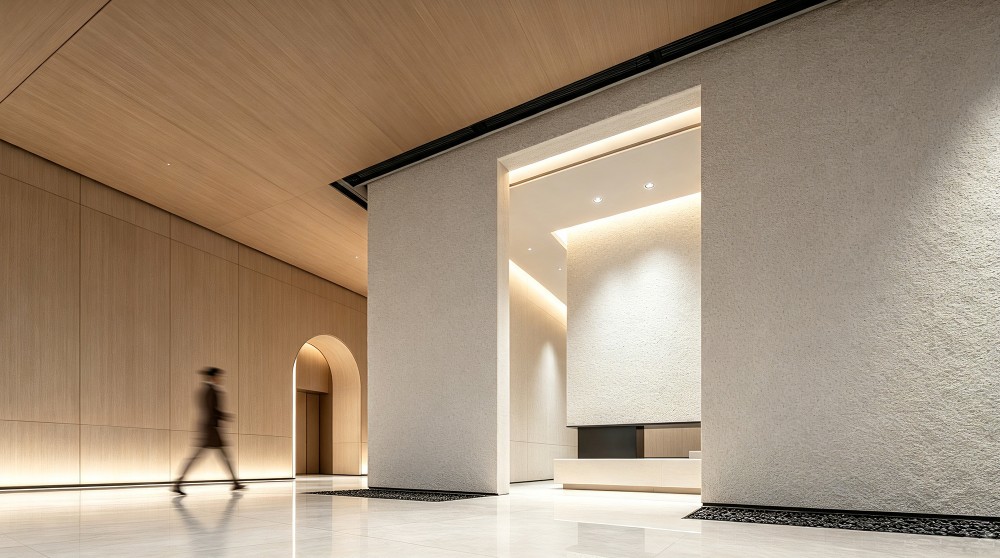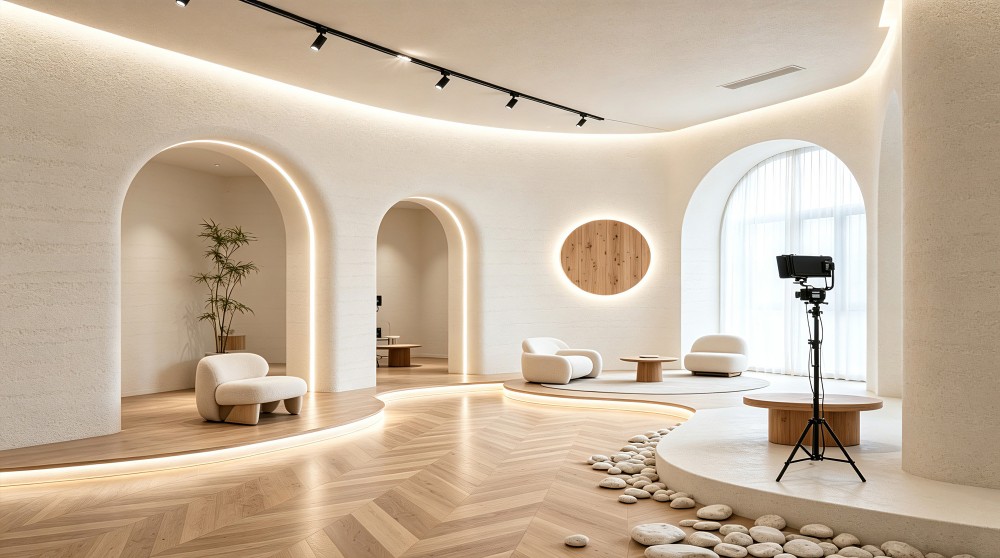
Dry Powder Straw Paint
Dry Mix Finishes










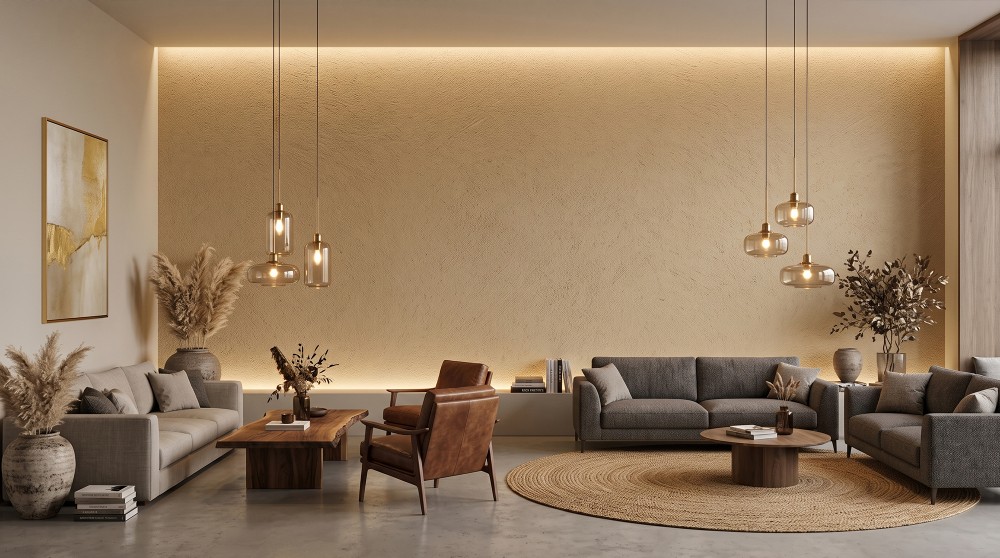
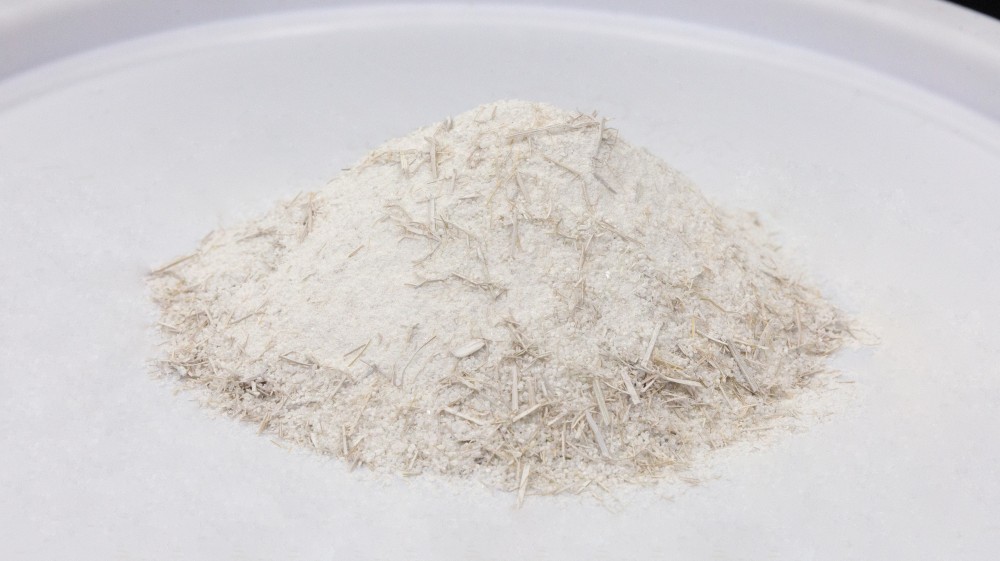
Straw paint (also known as ecological straw paint, straw mud) is a water-based artistic paint with natural rice straw, quartz powder, vermiculite powder and micro-air powder as the main raw materials.
Dry Powder Straw Paint Parameter
| Appearance | The Straw Is Clear, With A Rough And Bumpy Surface |
| Ratio | Dry Powder:water = 1:0.3 |
| Low Temperature Stability | No Deterioration |
| Coating Temperature Resistance | No Abnormality After 3 Cycles |
| Paint Film Drying (surface Drying) | ≤4H |
| Recoat Time/coating Layer | ≥24H |
| Drying Time (hardening) | ≥72H |

Dry Powder Straw Paint Features

1. Environmental safety
a. It can degrade free formaldehyde and heavy metal pollutants in the air and improve indoor air quality.
b. Water-based formula, non-toxic and odorless, no irritating smell during construction, no harm to skin contact.
2. Excellent performance
a. Strong durability, firm paint film, excellent anti-aging performance, service life can reach 10-15 years.
b. Waterproof and mildew-proof, suitable for humid environments, wear-resistant and stain-resistant, with a smooth and impermeable surface and easy maintenance.
3. Decorative
a. Diverse textures: By adjusting the straw length (5-10cm), density and construction technology, you can customize effects such as rough rammed earth walls and delicate auspicious cloud patterns.
b. Rich colors: Provide 40+ color options, covering natural colors such as beige and khaki, as well as fashionable tones such as burnt tea and metallic colors.
4. Functional advantages
a. Moisture-regulating and breathable: Microporous structure regulates indoor humidity, prevents condensation and improves comfort.
b. Sound insulation and heat preservation: Straw fiber enhances the sound insulation effect and assists in heat preservation and energy saving.
It can be widely used in interior and exterior wall decoration of villas, hotels, B&Bs, clothing stores, tea houses, art galleries, farmhouses, etc.
Dry Powder Straw Paint Construction Guidelines
1. Roll on one coat of penetrating primer.
2. Roller apply two coats of sand primer.
3. The ratio of dry powder to water is 30%, stir until there is no particle slurry.
4. Apply two coats of straw paint to make the straw evenly distributed and the surface smooth.
5. When it is not dry, use a scraper to make circles or pull the hair to create irregular straw texture, and use a stainless steel knife to lightly press the surface to enhance the flatness.
6. After it is completely dry, use 320-grit sandpaper to lightly grind the raised parts to enhance the three-dimensional effect.
7. Roll on two coats of topcoat.