Rammed Earth
Dry Mix Finishes









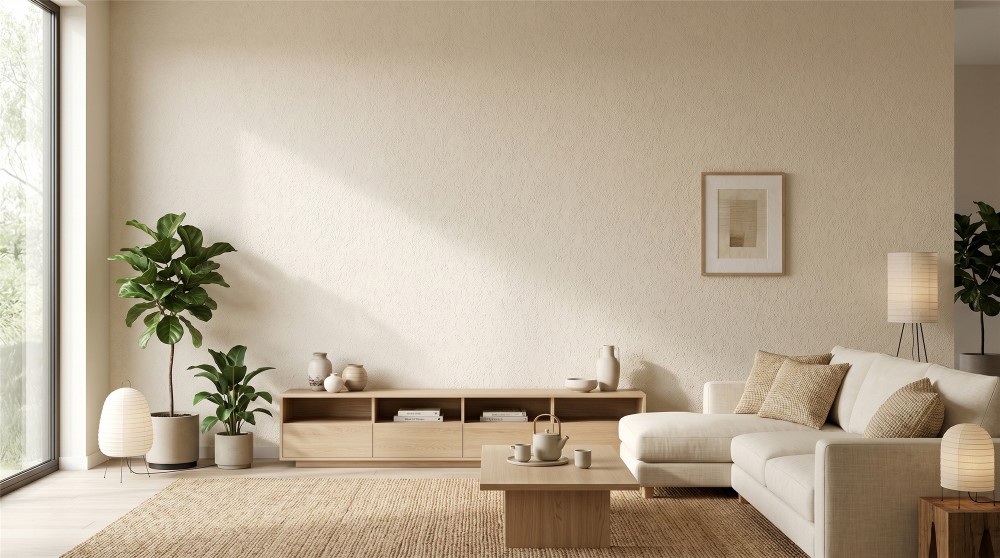
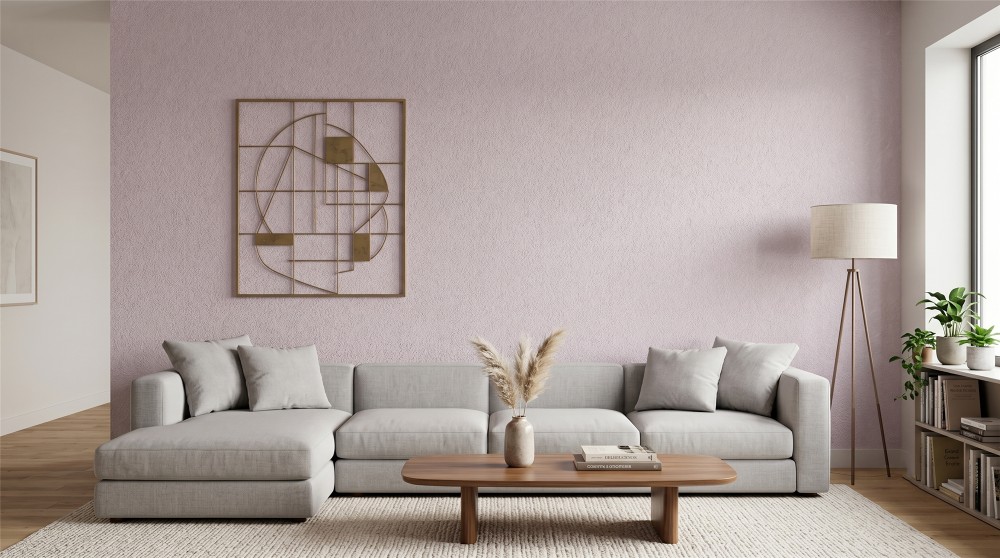
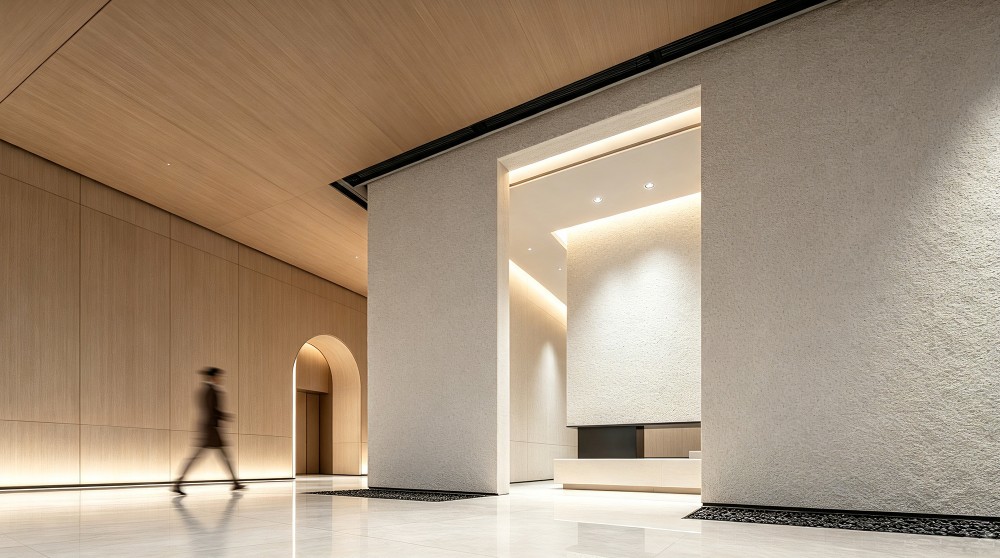
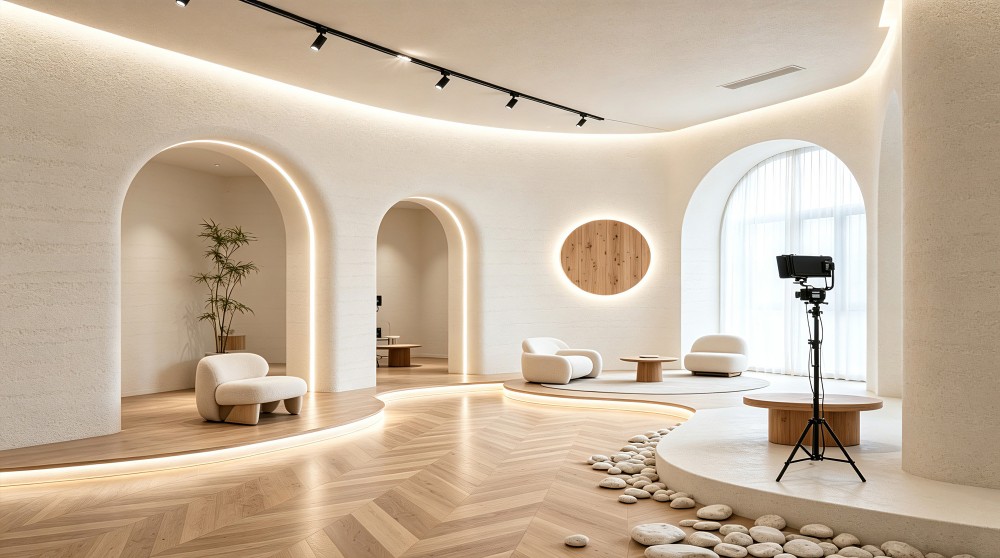
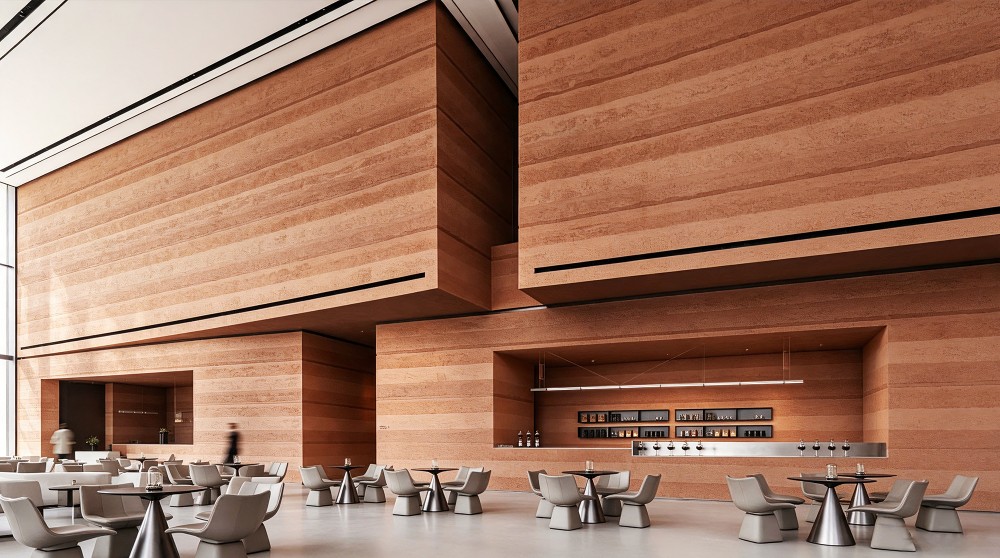
Rammed earth is a layered composite material composed of natural mineral aggregates (clay, sand, and gravel) compacted through mechanical tamping. In modern coating applications, rammed earth coatings mimic the layered texture and minerality of traditional rammed earth walls. Using a water- based synthetic resin as a binder, combined with graded aggregates and functional additives, they create an architectural finish that combines ecological performance with artistic expression.
Rammed Earth Parameter
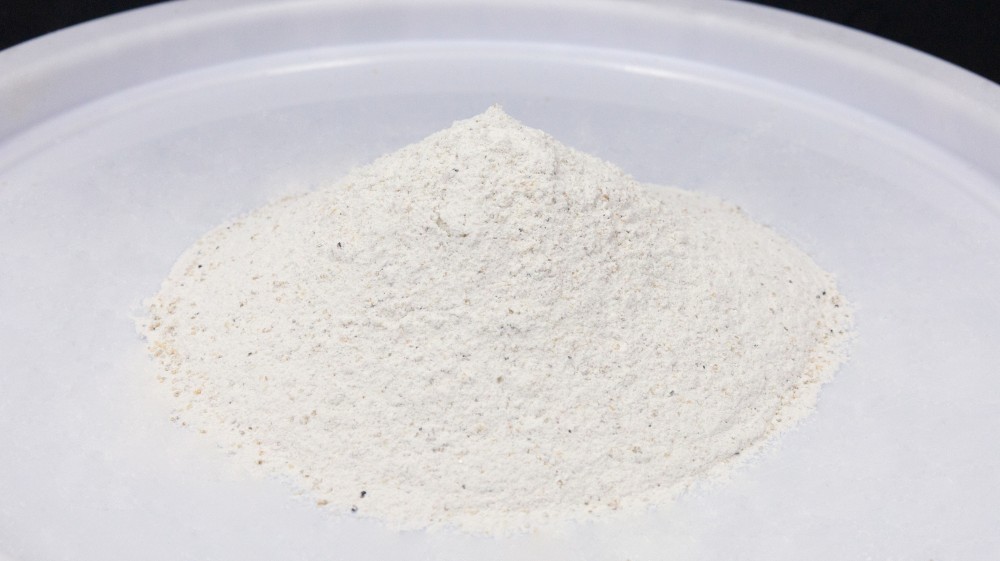
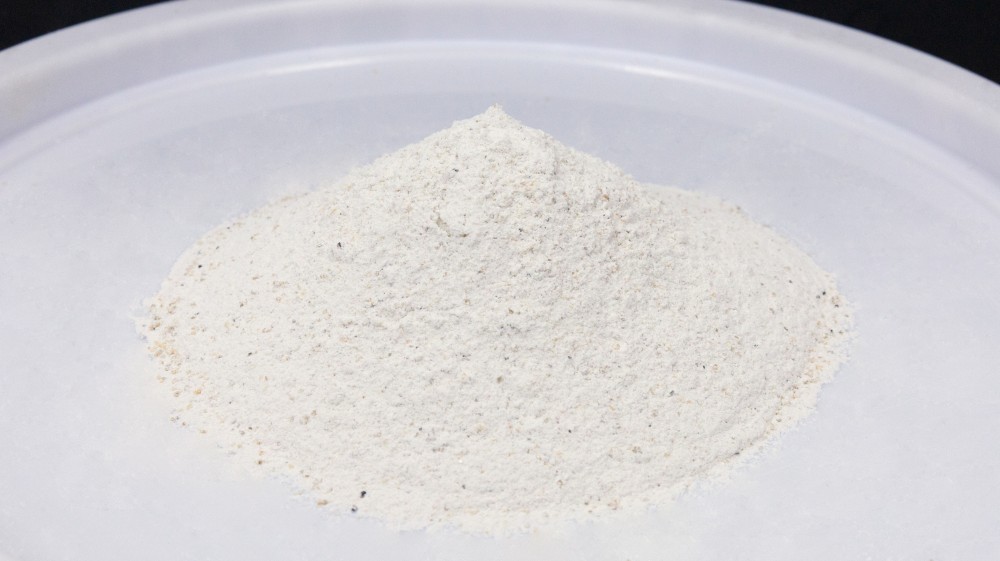
| Appearance | White Powder |
| Solid Content | ≥95% |
| Specific Gravity | 1.8-2.0 |
| Alkali Resistance | 48 Hours Without Blistering Or Shedding |
| Water Resistance | 96 Hours Without Blistering Or Shedding |
| Low Temperature Stability | No Deterioration |
| Coating Temperature Resistance | No Deterioration After 3 Cycles |
| Paint Film Drying (surface Drying) | ≤2H |
| Recoat Time/coating Layer | 24H |
| Drying Time (hardening) | ≥72H |
Rammed Earth Features
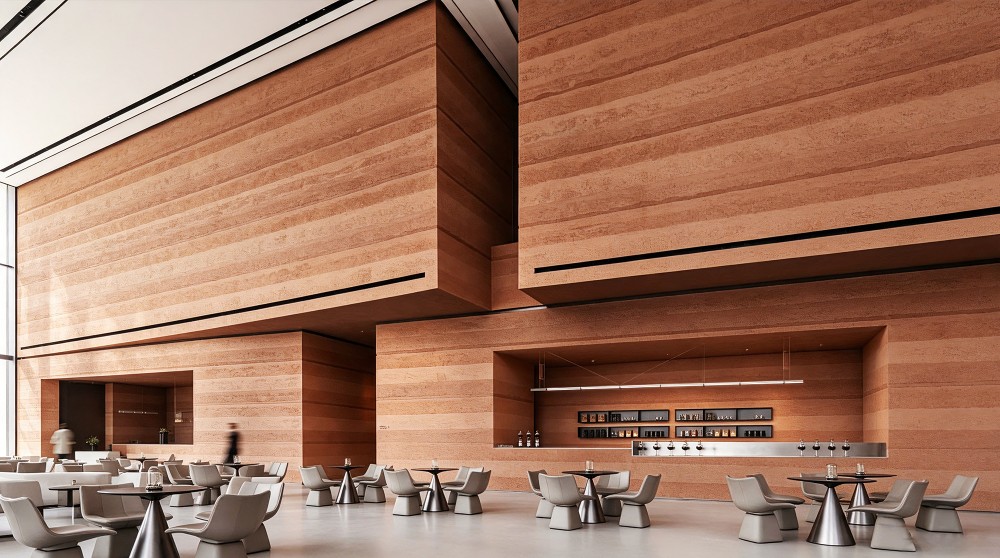
1. Eco-friendly: Made primarily of natural materials such as clay, which can be sourced locally and recycled, the project reduces construction waste. Its production energy consumption is only one-third of that of concrete, making it low-carbon and environmentally friendly, meeting green building standards.
2. Excellent performance: Excellent thermal insulation, ensuring warmth in winter and coolness in summer, reducing air conditioning energy consumption by over 30%. The microporous structure enables dynamic humidity control to maintain optimal indoor humidity.
3. Stable and safe: Modern improved models have a compressive strength of ≥ 5MPa, good earthquake resistance and fire resistance, and a fire resistance limit of over 2 hours, they are also highly weather-resistant and have a service life of up to 50 years.
4. Cultural Aesthetics: Featuring natural textures, customizable colors and textures, and integrating traditional and modern art, embodying regional culture, suitable for projects such as cultural heritage restoration.
5. Economical and efficient: The material cost is low, only 1/5 of that of brick walls, modern prefabricated panels have high construction efficiency, short construction period, convenient maintenance and low cost.
1. Architectural Space: Suitable for residential buildings (living rooms, bedroom background walls), public buildings (schools, offices, libraries), and commercial spaces (exhibition halls, B&Bs, restaurants), enhancing environmental comfort through its natural texture and humidity-regulating properties (maintaining 40%-60% humidity).
2. Special Scenarios: Suitable for cultural heritage restoration (such as the Great Wall and earthen buildings), ecological buildings (incorporating solar energy technology), toilets (requiring enhanced waterproofing), and industrial facilities (warehouses and wine cellars), taking into account fire prevention, earthquake resistance, and sustainability requirements.
Rammed Earth Construction Guidelines
1. Base treatment: Clean the wall and repair cracks to ensure the base is flat, solid, and has a moisture content of ≤10%. A moisture-proof layer should be added to humid areas.
2. Primer application: Roller-apply 1-2 coats of alkali-resistant sealing primer to enhance adhesion and prevent alkali reversion. The drying time should be ≥ 12 hours.
3. Layered scraping: The first pass is a thin scraping to cover the base surface (about 80%). The second pass is to use a scraper or turf brush to create texture (vertical lines/wavy lines) when it is half dry. It should be completed within 30 minutes.
4. Texture shaping: While the paint is still wet, use a sponge, cardboard, or wire brush to create a natural rammed earth texture or distressed effect.
5. Surface protection: Apply a water-based transparent topcoat (matte/semi-matte) to enhance waterproof and stain resistance, especially suitable for outdoor or high-humidity areas.
6. Maintenance and management: Natural drying for ≥72 hours, avoid touching within 7 days, and reach peak strength in 28 days. During this period, maintain stable temperature and humidity (25℃ ±3℃, humidity ≤65%).